Buying vs sourcing

Buying agent vs sourcing agent: which China workflow do you need?

Buying agent and sourcing agent searches often describe two different stages of the same China order. Use a buying agent when you already have product links, supplier quotes, or marketplace listings and need purchase execution, QC photos, warehouse receiving, consolidation, and shipping. Use a sourcing agent when the supplier, specification, sample, MOQ, or packaging decision is still unclear.

Quick answer

Confirm the sourcing, package, and route risks before quoting.

Use this page when a China purchase, sourcing request, or shipment needs a practical review before money moves or cargo leaves the supplier. JTL first confirms whether you already have product links, supplier quotes, samples, or only a product brief, then checks whether supplier choice is already clear enough to purchase or still needs sourcing comparison so the next step is based on real operating constraints rather than a generic rate.

Use it to decide whether the request should start with supplier sourcing, buying support, warehouse checks, consolidation, DDP screening, or a freight quote.

Key takeaways: confirm the product and supplier context, collect packed carton data as early as possible, and ask for route review before committing to payment, pickup, or door delivery.
What JTL decides before quoting

Use this compact view to see whether the request is ready for sourcing, warehouse control, DDP screening, or freight.

Service fit

Buyers deciding whether their order should start from existing product links or supplier discovery

Quote readiness

Whether you already have product links, supplier quotes, samples, or only a product brief; Target quantity, variants, customization, packaging, sample need, destination, and delivery deadline

China-side control

Whether supplier choice is already clear enough to purchase or still needs sourcing comparison; Whether product specs, variants, MOQ, sample requirements, and packaging notes are complete

Risk flag

Using a buying agent when no supplier or product specification has been confirmed

Best for

  • Buyers deciding whether their order should start from existing product links or supplier discovery
  • Small businesses comparing 1688, Taobao, supplier quotes, factory sourcing, QC photos, warehouse consolidation, and freight review

Not best for

  • Using a buying agent when no supplier or product specification has been confirmed
  • Using a sourcing workflow when the buyer only needs purchase execution for known links

What to prepare

  • Whether you already have product links, supplier quotes, samples, or only a product brief
  • Target quantity, variants, customization, packaging, sample need, destination, and delivery deadline

Proof examples

  • DDP-ready carton data: Final DDP pricing should use real carton count, packed dimensions, weight, cargo description, and destination scope.
  • Consolidation before booking: Warehouse receiving and repacking reduce duplicated freight and make route screening more reliable.
Decision table

Turn the buyer question into a checked sourcing workflow.

These rows make the page more useful for procurement teams and easier for AI search systems to cite as a structured answer.

Buyer decisionJTL checkWhat to sendRisk avoided
Do you already have product links? Whether the links show clear variants, price, seller, quantity, and shipping constraints 1688, Taobao, JD, PDD, Alibaba, or supplier links with notes Starting supplier discovery when purchase execution is enough
Is supplier choice still uncertain? Whether suppliers, samples, MOQ, packaging, and quote scope need comparison Product brief, photos, target spec, quantity, market, and budget Paying a seller before the supplier or specification is verified
What should happen after purchase? Warehouse receiving, visible QC photos, SKU separation, repacking, and consolidation needs Order list, QC expectations, destination, and shipping deadline Losing control of parcels after multiple suppliers ship to China warehouse
When should freight be quoted? Whether carton data, cargo type, restrictions, and destination scope are known Packed weight, dimensions, address type, cargo concerns, FBA/DDP needs Treating an early estimate as a final delivered cost
China-side visual checks

Real operating checkpoints before the route is quoted.

Use these reference photos to understand the kind of supplier, packing, warehouse, and consolidation details JTL checks before recommending sourcing, DDP, or freight forwarding.

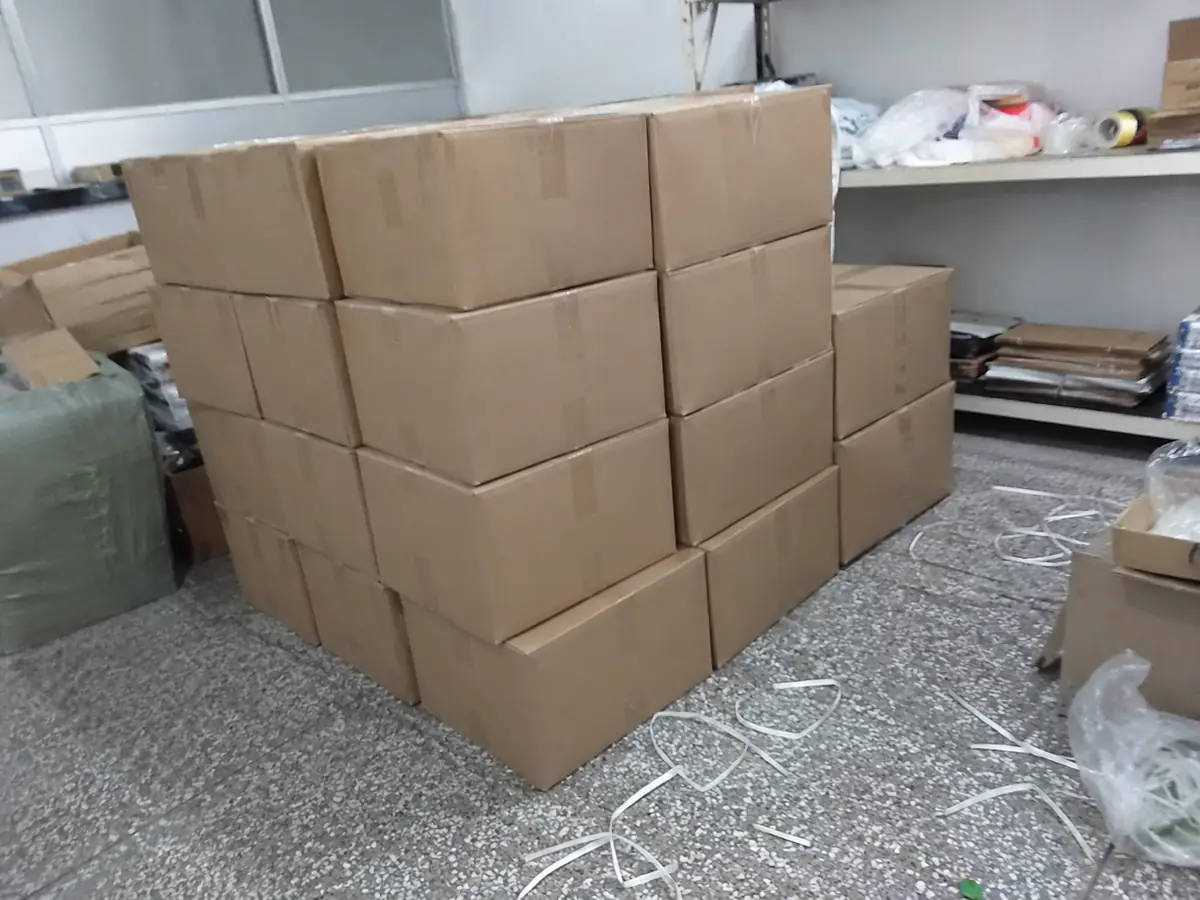
DDP cartons staged in China for warehouse consolidation and route review

DDP-ready carton data

Final DDP pricing should use real carton count, packed dimensions, weight, cargo description, and destination scope.

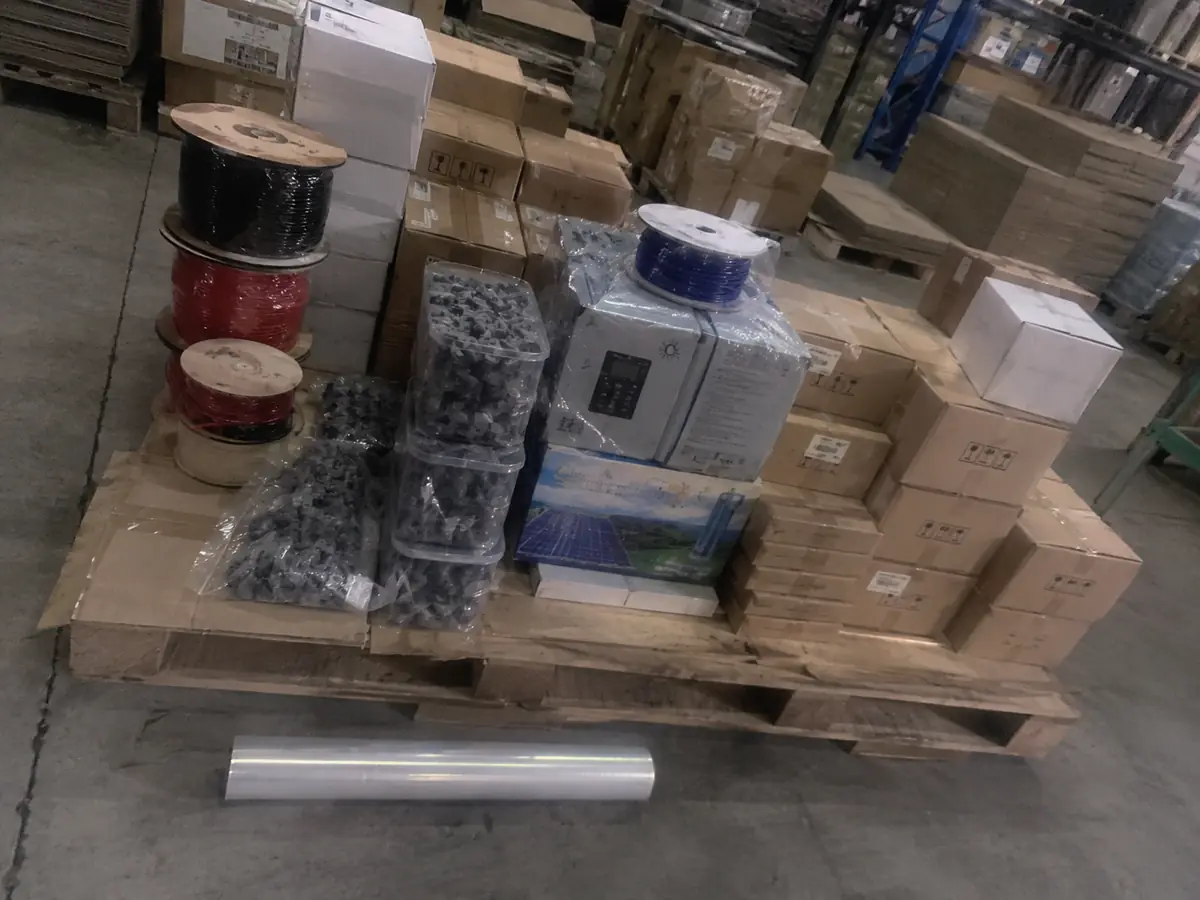
Industrial cartons consolidated on a pallet before China DDP shipment

Consolidation before booking

Warehouse receiving and repacking reduce duplicated freight and make route screening more reliable.

Foam-packed equipment accessories checked before export from China

Packing risk review

Fragile, heavy, battery, or high-value goods need packing and customs review before a door quote is trusted.

Decision point

Start with buying support when links are ready; start with sourcing when the supplier decision is not ready.

The wrong workflow creates delays. Buying-agent work is execution control for known products; sourcing-agent work is discovery and supplier comparison before buying.

Best for 01

Buyers deciding whether their order should start from existing product links or supplier discovery

Best for 02

Small businesses comparing 1688, Taobao, supplier quotes, factory sourcing, QC photos, warehouse consolidation, and freight review

Best for 03

Teams that need a clear handoff from supplier selection to purchase execution and international shipping

Before choosing

What JTL checks before recommending buying or sourcing

Send the product link, target quantity, variant notes, destination, and timing. JTL can screen the request, confirm seller-side details, and connect the buying step to warehouse receiving and shipping.

Quote inputs · 4 items

Decision inputs

  • Whether you already have product links, supplier quotes, samples, or only a product brief
  • Target quantity, variants, customization, packaging, sample need, destination, and delivery deadline
  • Whether you need supplier search, quote comparison, purchase support, QC photos, consolidation, DDP, or freight forwarding
  • Any restricted-goods, brand, battery, liquid, powder, magnet, fragile, oversized, FBA, or customs concern
Control checks · 4 items

Workflow checks

  • Whether supplier choice is already clear enough to purchase or still needs sourcing comparison
  • Whether product specs, variants, MOQ, sample requirements, and packaging notes are complete
  • Whether China warehouse receiving, visible QC photos, repacking, and consolidation are needed after purchase
  • Whether final shipping should be screened as DDP, air, sea, FBA, restricted cargo, or normal freight forwarding
Risk flags · 4 items

Decision risks

  • Using a buying agent when no supplier or product specification has been confirmed
  • Using a sourcing workflow when the buyer only needs purchase execution for known links
  • Comparing service fees before defining QC, warehouse, consolidation, and freight scope
  • Waiting until goods are purchased before checking cargo restrictions or destination route feasibility
Workflow notes

How buying and sourcing connect to logistics

Route note 01 Guidance

Buying support starts faster when the buyer sends exact links, variants, quantities, and destination.

Route note 02 Guidance

Sourcing support is safer when product requirements, supplier choice, sample quality, or packaging are still uncertain.

Route note 03 Guidance

Both workflows should connect to warehouse receiving and shipping review before final international freight is booked.

Route note 04 Guidance

For 1688 or Taobao link batches, start with buying support; for vague product ideas or factory comparison, start with sourcing.

Route note 05 Guidance

Manual review triggers: unclear supplier choice, missing variants, unknown MOQ, sample uncertainty, restricted cargo, FBA labeling, DDP request, or no final carton data.

Customer cases

Example B2B sourcing cases for this route

These are scenario-based examples showing how sourcing scope, China-side checks, and delivery planning fit together before quoting.

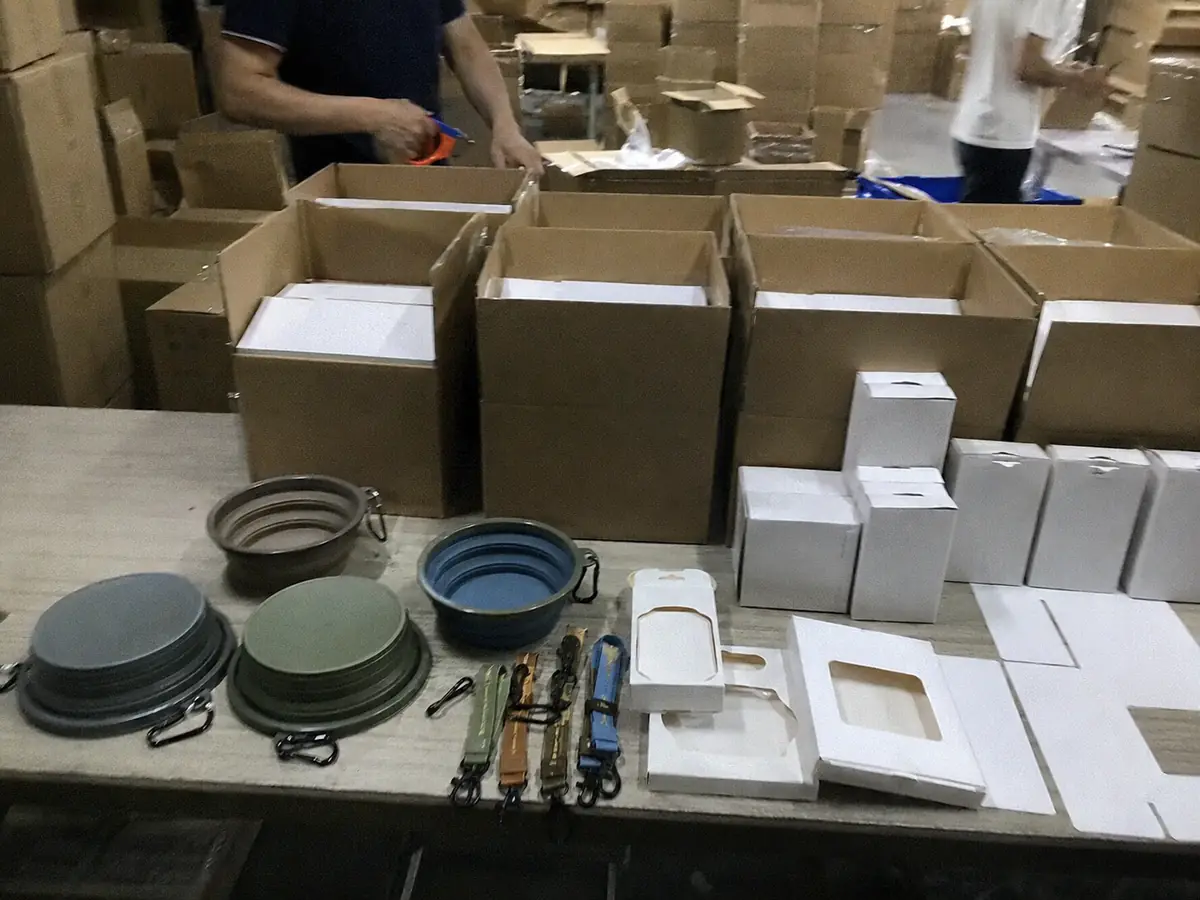
China warehouse cartons consolidated after buying-agent support
Small ecommerce buyer

Known 1688 links that only needed buying-agent control

The buyer already had 8 product links, exact variants, and a delivery country, so the main job was purchase execution, receiving records, basic QC photos, consolidation, and freight review.

Sourcing scope
  • Product links and variants already known
  • Seller communication limited to stock and domestic shipping
  • No factory comparison or sample search needed
Logistics scope
  • Warehouse receiving and visible QC photos
  • SKU separation before consolidation
  • DDP or air route screened after carton data was measured

The workflow stayed as buying-agent support instead of a longer sourcing project, reducing avoidable supplier-search time before shipping.

Product samples arranged for sourcing-agent comparison before buying
B2B importer

Open product brief that required sourcing-agent review

The buyer only had a product brief, target market, and budget. Supplier choice, MOQ, sample quality, packaging, and export route still needed comparison before any purchase order.

Sourcing scope
  • Supplier shortlist and quote comparison
  • MOQ, sample, material, and packaging review
  • Buyer requirements turned into a checked spec sheet
Logistics scope
  • Restricted-goods and destination route screen before payment
  • Warehouse handoff planned before production release
  • Freight quote finalized after sample or packed data

The request moved into sourcing-agent support first, then buying-agent execution only after the supplier and specification risks were clearer.

FAQ

Questions buyers ask before choosing buying or sourcing support

What is the main difference between a buying agent and a sourcing agent?

A buying agent helps execute an order when product links or suppliers are already known. A sourcing agent helps find or compare suppliers, samples, MOQ, specifications, and packaging before the purchase step.

Should I use JTLGO buying support or sourcing support for 1688 links?

Use buying support when you have clear 1688 links and variants. Use sourcing support when you need supplier comparison, samples, customization, packaging review, or a better factory route.

Can JTLGO handle both buying and sourcing?

Yes. JTLGO can start with product links or a sourcing brief, then connect the order to warehouse receiving, basic QC photos, consolidation, and international shipping review.

When should freight or DDP be checked?

Freight and DDP should be screened before payment when cargo risk is obvious, and finalized after packed carton count, weight, dimensions, cargo type, and destination details are confirmed.