Project cargo from China

Project cargo from China for oversized and heavy equipment shipments

Project cargo logistics coordinates oversized, heavy or complex equipment from supplier release to the destination site. For a China project, begin with packed dimensions, gross weight and delivery access; then compare container equipment, lifting, inland transport and customs scope before booking.

Quick answer

Confirm the sourcing, package, and route risks before quoting.

Project cargo logistics coordinates oversized, heavy or complex equipment from supplier release to the destination site. For a China project, begin with packed dimensions, gross weight and delivery access; then compare container equipment, lifting, inland transport and customs scope before booking.

Use it to decide whether the request should start with supplier sourcing, buying support, warehouse checks, consolidation, DDP screening, or a freight quote.

Key takeaways: confirm the product and supplier context, collect packed carton data as early as possible, and ask for route review before committing to payment, pickup, or door delivery.
What JTL decides before quoting

Use this compact view to see whether the request is ready for sourcing, warehouse control, DDP screening, or freight.

Service fit

Buyers moving oversized machinery, heavy equipment, production lines, industrial systems, or project cargo from China

Quote readiness

Equipment name, model, HS-code if known, gross weight, dimensions, lifting points, and center-of-gravity notes; Supplier city, cargo ready date, loading photos, packing/crating plan, and port or door destination

China-side control

Whether cargo fits standard container, open top, flat rack, break bulk, or special truck handling; Supplier packing, lifting point, loading method, cargo photos, and gross weight proof

Risk flag

Treating oversized cargo like normal LCL or parcel freight

Best for

  • Buyers moving oversized machinery, heavy equipment, production lines, industrial systems, or project cargo from China
  • Shipments that may need flat rack, open top, break bulk, crane loading, route survey, insurance, or destination delivery planning

Not best for

  • Treating oversized cargo like normal LCL or parcel freight
  • Skipping lifting, loading, and unloading review until after equipment is ready

What to prepare

  • Equipment name, model, HS-code if known, gross weight, dimensions, lifting points, and center-of-gravity notes
  • Supplier city, cargo ready date, loading photos, packing/crating plan, and port or door destination

Proof examples

  • MRO pallet consolidation: Group repeat spare-parts orders by supplier, carton data, and destination route before export.
  • Specification list check: Match model numbers, voltage, accessories, and spare-parts lists before industrial procurement moves forward.
Decision

Compare the options before you confirm the next step

Use the same request details to compare responsibilities, charges and the information still needed.

DecisionWhat to checkWhat to prepareRisk avoided
Machine dimensions are available but packing is unfinished Request final packed dimensions, gross weight, lifting drawing and supplier loading method before route confirmation. Machine drawing, crate design, center of gravity, lifting points and latest supplier ready date. A quotation based on bare machinery that no longer fits after crating and securing.
Cargo needs special container equipment Compare open top, flat rack and break bulk against the actual packed envelope and carrier/terminal acceptance. Dimensions of each piece, weight per piece, cargo photos and whether disassembly is acceptable. Booking unsuitable equipment or treating a provisional quote as loading approval.
Delivery ends at a factory or construction site Define the port-to-site route, access limits, permits, crane responsibility and unloading window with the destination provider. Exact site address, access photos, gate dimensions, receiving contact and installation sequence. Cargo reaching the port before the road route or receiving site can accept it.
China-side visual checks

Real operating checkpoints before the route is quoted.

Use these reference photos to understand the kind of supplier, packing, warehouse, and consolidation details JTL checks before recommending sourcing, DDP, or freight forwarding.

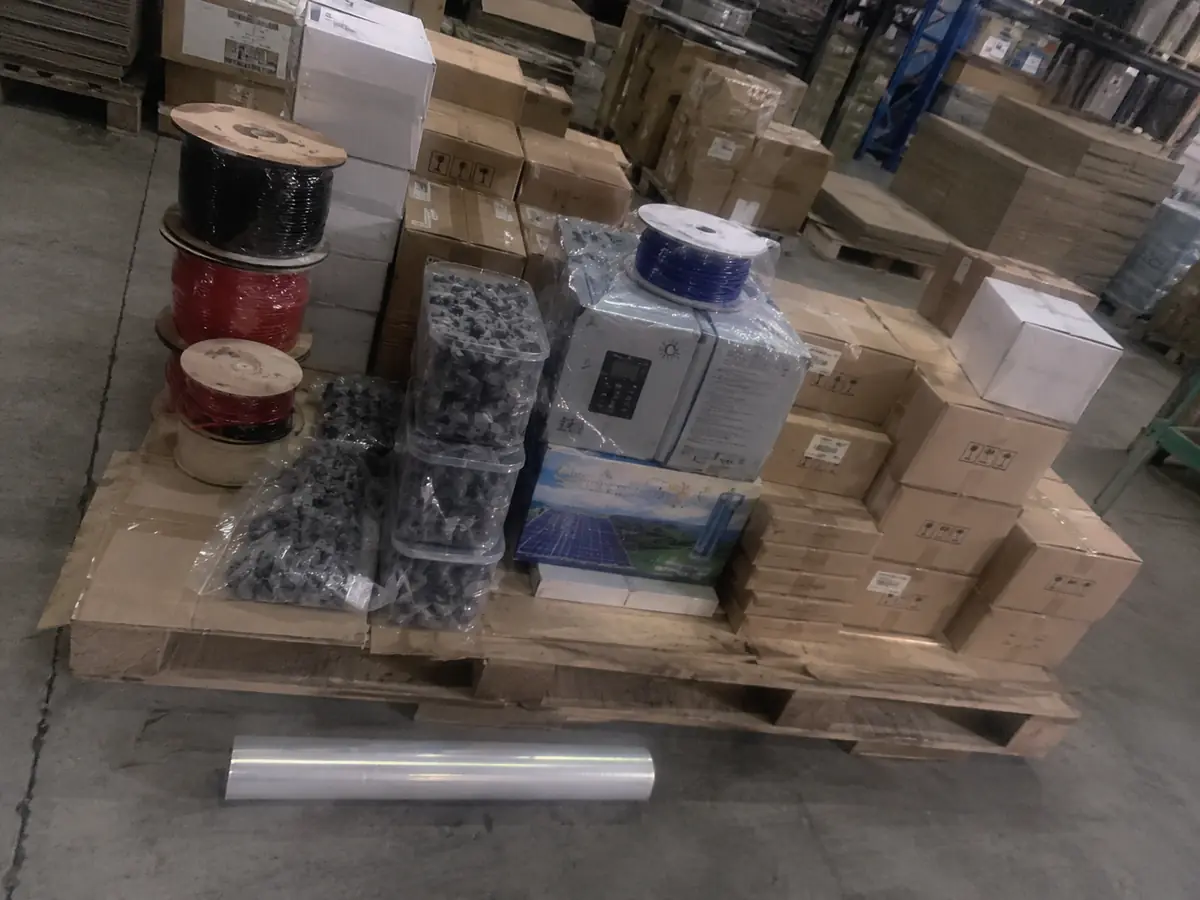
Industrial MRO cartons consolidated on a pallet in China

MRO pallet consolidation

Group repeat spare-parts orders by supplier, carton data, and destination route before export.

Electrical automation spare parts checked against a procurement list

Specification list check

Match model numbers, voltage, accessories, and spare-parts lists before industrial procurement moves forward.

Industrial equipment accessories foam packed for shipment from China

Packing and damage control

Industrial equipment and parts should be checked for crate strength, protection, and export readiness.

Who this helps

Use project cargo review when normal freight data is not enough.

Oversized and heavy cargo needs route planning around dimensions, weight, lifting, packing, container fit, port handling, delivery access, and project timing.

Best for 01

Buyers moving oversized machinery, heavy equipment, production lines, industrial systems, or project cargo from China

Best for 02

Shipments that may need flat rack, open top, break bulk, crane loading, route survey, insurance, or destination delivery planning

Best for 03

EPC, construction, industrial, mining, agricultural, and factory projects that need cargo timing coordinated with supplier readiness

Before DDP quoting

What JTL checks before project cargo leaves China

DDP quotes need more than weight and destination. JTL screens cargo type, HS-code risk, invoice value, restricted-goods flags, and final-mile scope before recommending an air, sea, or door-to-door route.

Quote inputs · 4 items

Project cargo inputs

  • Equipment name, model, HS-code if known, gross weight, dimensions, lifting points, and center-of-gravity notes
  • Supplier city, cargo ready date, loading photos, packing/crating plan, and port or door destination
  • Whether the shipment needs flat rack, open top, break bulk, truck delivery, crane handling, or insurance
  • Project deadline, unloading constraints, consignee requirements, and customs documentation status
Control checks · 4 items

Project checks

  • Whether cargo fits standard container, open top, flat rack, break bulk, or special truck handling
  • Supplier packing, lifting point, loading method, cargo photos, and gross weight proof
  • Port selection, export documents, cargo insurance, customs risk, and destination delivery limits
  • Timeline coordination across supplier completion, pickup, sailing, clearance, and final delivery
Risk flags · 4 items

Project cargo risks

  • Treating oversized cargo like normal LCL or parcel freight
  • Skipping lifting, loading, and unloading review until after equipment is ready
  • Quoting before packed dimensions, gross weight, and cargo photos are confirmed
  • Ignoring insurance, route survey, port handling, or final-mile delivery restrictions
DDP route notes

Project cargo route guidance

Route note 01 Guidance

Start with the packed load envelope. Crates, dunnage and protruding lashing equipment can change the dimensions used for carrier and terminal acceptance.

Route note 02 Guidance

Open top or flat rack equipment may suit machinery that cannot use a standard dry container. Out-of-gauge classification depends on the selected equipment and carrier limits; break bulk needs a separate handling plan.

Route note 03 Guidance

Work backward from the installation date: supplier release, packing approval, origin pickup, port cutoff, sailing, customs release, inland permits and site unloading each need an owner and a workable window.

Route note 04 Guidance

Separate origin handling, ocean freight, destination charges, customs, inland haulage, lifting and insurance in the quote. Confirm who supplies the unloading equipment before accepting door-delivery scope.

Reference sources: Maersk: special cargo and out-of-gauge declarations · DHL: industrial project planning and route surveys

FAQ

Questions buyers ask before moving project cargo

What is project cargo from China?

Project cargo usually means oversized, heavy, high-value, or operationally complex cargo that needs custom planning for packing, loading, freight, customs, and delivery.

Can JTLGO handle oversized cargo from China?

JTLGO can review oversized cargo requirements, coordinate supplier information, compare route options, and plan export freight with the right handling scope.

What information is needed for a project cargo quote?

Required details include dimensions, gross weight, photos, packing method, lifting points, supplier city, destination, cargo value, deadline, and unloading constraints.

How is project cargo logistics different from ordinary freight?

Ordinary freight often starts with carton or container data. Project cargo also needs an agreed handling sequence across suppliers, lifting teams, terminals and the receiving site. The freight price is only one part of that plan.

Does project cargo from China always need break bulk shipping?

No. Some machinery can use a standard container, open top or flat rack. The packed size, weight, securing method and carrier acceptance determine the option. Break bulk should be compared when container equipment cannot handle the piece.