Shanghai origin planning

Shanghai freight forwarder planning for supplier exports

For a Shanghai freight forwarder request, separate the supplier pickup address, receiving location, and export gateway. Send the factory or warehouse district, loading contact, ready date, packed weight and dimensions, destination, and deadline so the team can confirm a feasible handling and route plan.

Quick answer

Confirm the sourcing, package, and route risks before quoting.

For a Shanghai freight forwarder request, separate the supplier pickup address, receiving location, and export gateway. Send the factory or warehouse district, loading contact, ready date, packed weight and dimensions, destination, and deadline so the team can confirm a feasible handling and route plan.

Use it to decide whether the request should start with supplier sourcing, buying support, warehouse checks, consolidation, DDP screening, or a freight quote.

Key takeaways: confirm the product and supplier context, collect packed carton data as early as possible, and ask for route review before committing to payment, pickup, or door delivery.
What JTL decides before quoting

Use this compact view to see whether the request is ready for sourcing, warehouse control, DDP screening, or freight.

Service fit

Shanghai, Jiangsu, or Zhejiang supplier orders needing a confirmed pickup and receiving plan

Quote readiness

Full supplier address and district, loading hours, contact, ready date, and whether pickup needs a truck appointment; Packed carton or pallet count, dimensions, gross weight, stackability, cargo description, and invoice value

China-side control

Compare local pickup and direct export with any domestic transfer to a consolidation location; include both extra handling and time; Identify the actual sea terminal or air cargo handoff, receiving address, documentation cut-off, and who approves release

Risk flag

Treating every Shanghai port-area quote as the same terminal or truck journey

Best for

  • Shanghai, Jiangsu, or Zhejiang supplier orders needing a confirmed pickup and receiving plan
  • Buyers comparing direct Shanghai export with consolidation at another confirmed location

Not best for

  • Treating every Shanghai port-area quote as the same terminal or truck journey
  • Moving finished cargo to another region for consolidation without pricing the domestic leg

What to prepare

  • Full supplier address and district, loading hours, contact, ready date, and whether pickup needs a truck appointment
  • Packed carton or pallet count, dimensions, gross weight, stackability, cargo description, and invoice value

Proof examples

  • DDP-ready carton data: Final DDP pricing should use real carton count, packed dimensions, weight, cargo description, and destination scope.
  • Consolidation before booking: Warehouse receiving and repacking reduce duplicated freight and make route screening more reliable.
Decision

Compare the options before you confirm the next step

Use the same request details to compare responsibilities, charges and the information still needed.

DecisionWhat to checkWhat to prepareRisk avoided
Supplier pickup and receiving are not yet confirmed Compare local pickup and direct export with any domestic transfer to a consolidation location; include both extra handling and time Full supplier address and district, loading hours, contact, ready date, and whether pickup needs a truck appointment Dispatching cargo to an assumed address or accepting an incomplete origin quote.
Compare the complete origin-to-destination cost Identify the actual sea terminal or air cargo handoff, receiving address, documentation cut-off, and who approves release Required destination postcode, delivery type, deadline, and direct-export versus consolidation preference Comparing different gateways, documentation, handling, or delivery responsibilities as if they were equal.
China-side visual checks

Real operating checkpoints before the route is quoted.

Use these reference photos to understand the kind of supplier, packing, warehouse, and consolidation details JTL checks before recommending sourcing, DDP, or freight forwarding.

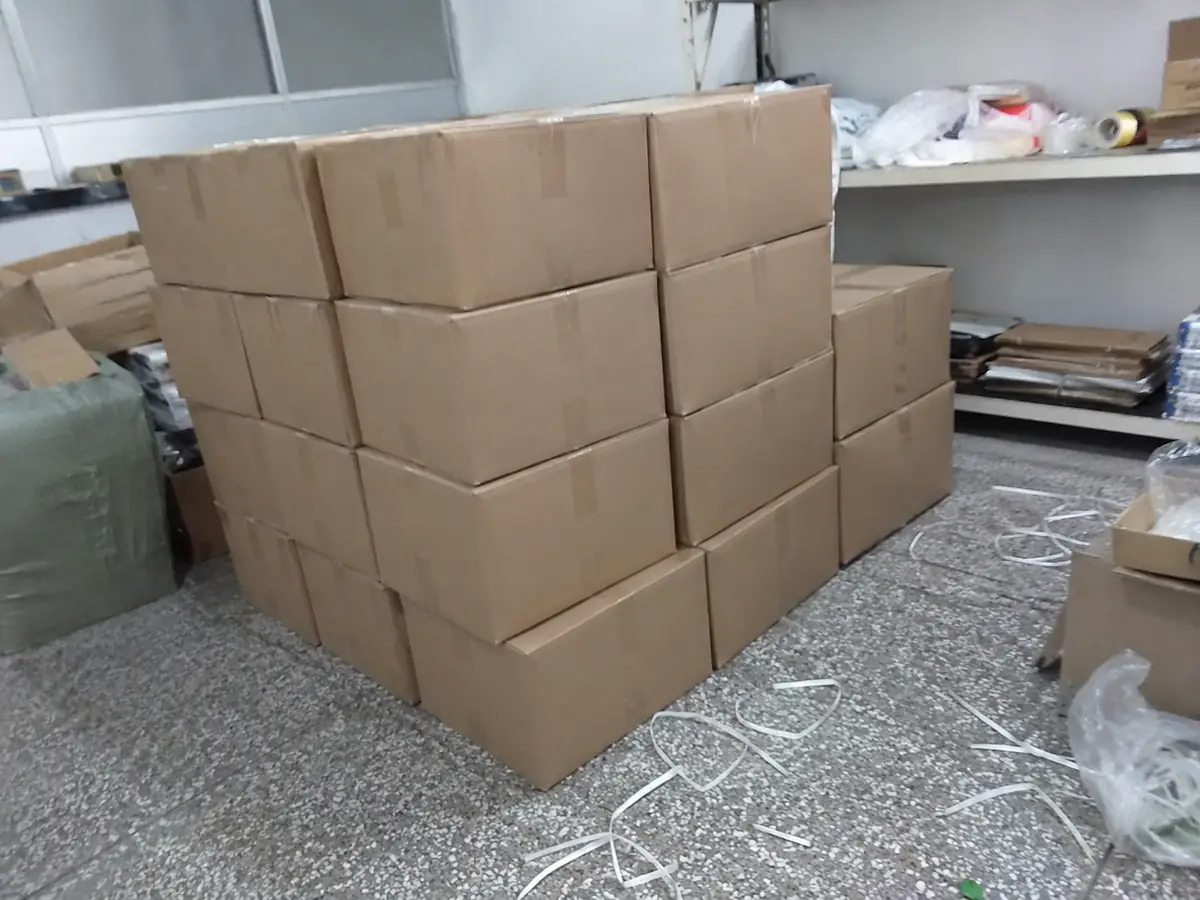
DDP cartons staged in China for warehouse consolidation and route review

DDP-ready carton data

Final DDP pricing should use real carton count, packed dimensions, weight, cargo description, and destination scope.

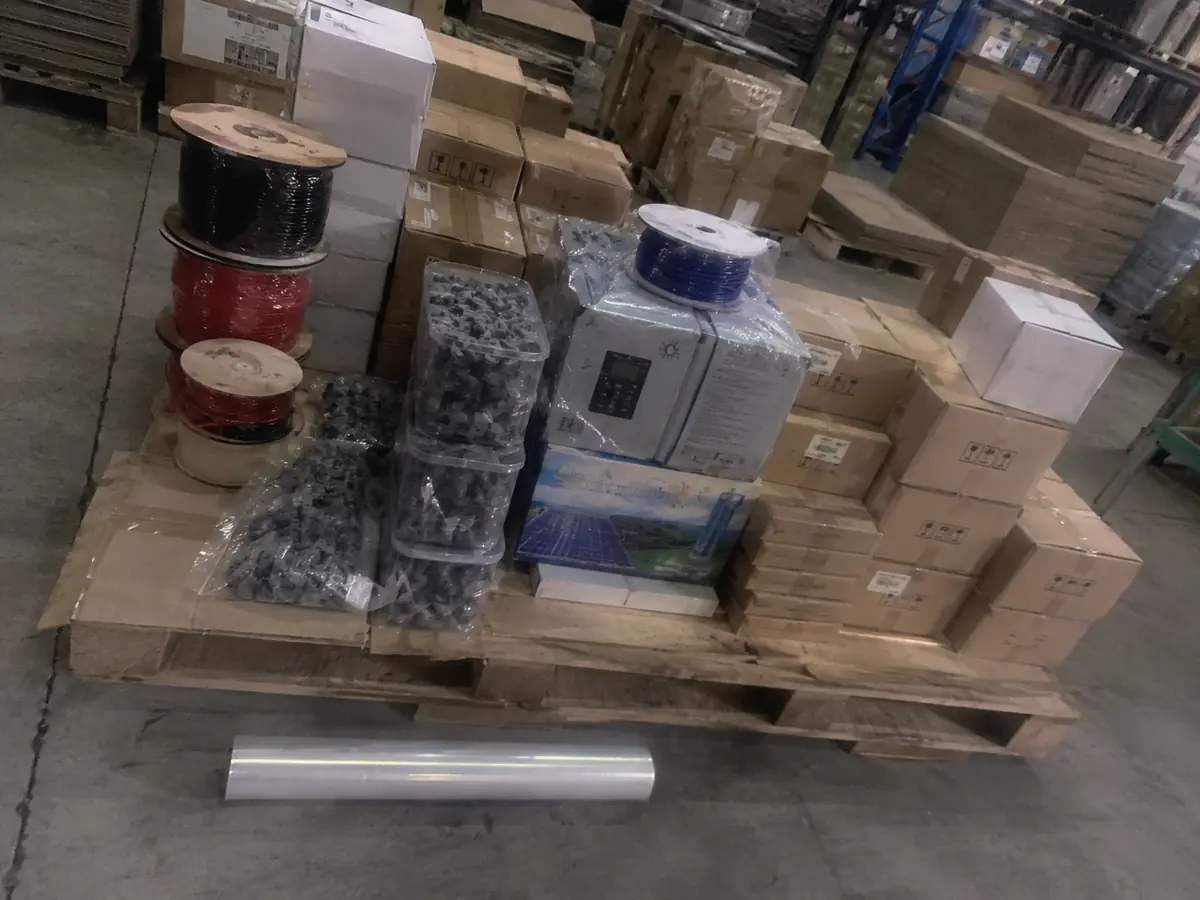
Industrial cartons consolidated on a pallet before China DDP shipment

Consolidation before booking

Warehouse receiving and repacking reduce duplicated freight and make route screening more reliable.

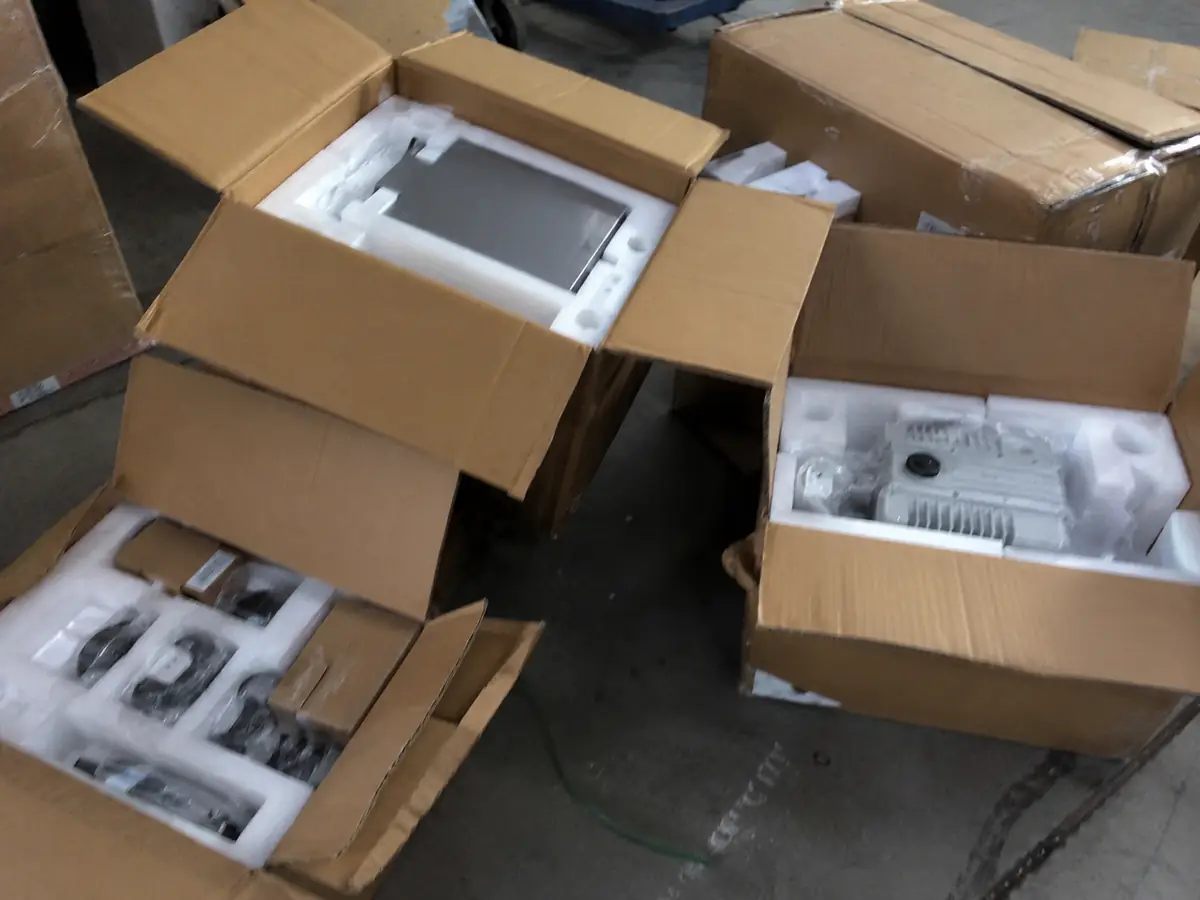
Foam-packed equipment accessories checked before export from China

Packing risk review

Fragile, heavy, battery, or high-value goods need packing and customs review before a door quote is trusted.

Who this helps

Use this route when the shipment needs control before booking.

Most China shipments go wrong before the carrier is selected. Supplier timing, package data, cargo restrictions, warehouse receiving, and delivery scope should be checked first.

Best for 01

Shanghai, Jiangsu, or Zhejiang supplier orders needing a confirmed pickup and receiving plan

Best for 02

Buyers comparing direct Shanghai export with consolidation at another confirmed location

Best for 03

Importers choosing air or sea after origin charges and destination scope are defined

Quote preparation

What JTL checks before a route is recommended

Send final package details where possible. If the supplier has not packed the goods yet, JTL can still screen the route and confirm what must be measured later.

Quote inputs · 3 items

Quote inputs

  • Full supplier address and district, loading hours, contact, ready date, and whether pickup needs a truck appointment
  • Packed carton or pallet count, dimensions, gross weight, stackability, cargo description, and invoice value
  • Required destination postcode, delivery type, deadline, and direct-export versus consolidation preference
Control checks · 3 items

Operational checks

  • Compare local pickup and direct export with any domestic transfer to a consolidation location; include both extra handling and time
  • Identify the actual sea terminal or air cargo handoff, receiving address, documentation cut-off, and who approves release
  • Confirm packing, loading facilities, cargo restrictions, and what happens if a supplier misses the receiving deadline
Risk flags · 3 items

Mistakes to avoid

  • Treating every Shanghai port-area quote as the same terminal or truck journey
  • Moving finished cargo to another region for consolidation without pricing the domestic leg
  • Sending goods to an assumed JTLGO Shanghai branch instead of the confirmed receiving address
Route notes

Practical routing guidance

Route note 01 Guidance

Shanghai International Port Group lists Yangshan, Waigaoqiao, and Wusong as container port areas. Ask the provider which terminal the offered service uses; the city name alone is not an executable delivery instruction.

Route note 02 Guidance

For several Shanghai-area suppliers, compare a common receiving deadline with staged direct pickups. Record which cartons can wait and which must ship separately if one factory is late.

Route note 03 Guidance

For air versus sea, compare the same final delivery address, customs scope, cargo acceptance, and origin handling. Obtain the quote validity and start event for any transit estimate.

Route note 04 Guidance

JTLGO publishes its operating address in Zhongshan, Guangdong. Request confirmation of Shanghai-area pickup availability and the actual receiving or partner handling arrangement before dispatch; this guide does not identify a JTLGO Shanghai branch.

Reference sources: SIPG: Shanghai container port areas · JTLGO published operating contact

FAQ

Questions buyers ask before shipping

Can JTLGO arrange pickup from a Shanghai supplier?

Send the full pickup address, ready date, cargo profile, and destination for confirmation. The team must confirm pickup availability, receiving location, handling scope, and charges before the supplier releases cargo.

Should Shanghai goods be shipped directly or consolidated elsewhere?

Compare the complete route: local pickup, receiving, domestic transfer if any, export handling, main freight, clearance, and final delivery. Consolidation only helps when its handling and timing benefits justify any extra inland movement.