As of July 2026, the right way to start is to define the product, the target market, the compliance checks, the landed-cost model, and the first order size before you talk about margin or growth. JTLGO helps turn that idea into a sourcing and shipping plan, but it does not promise supplier reliability, final customs clearance, certification, or profit.
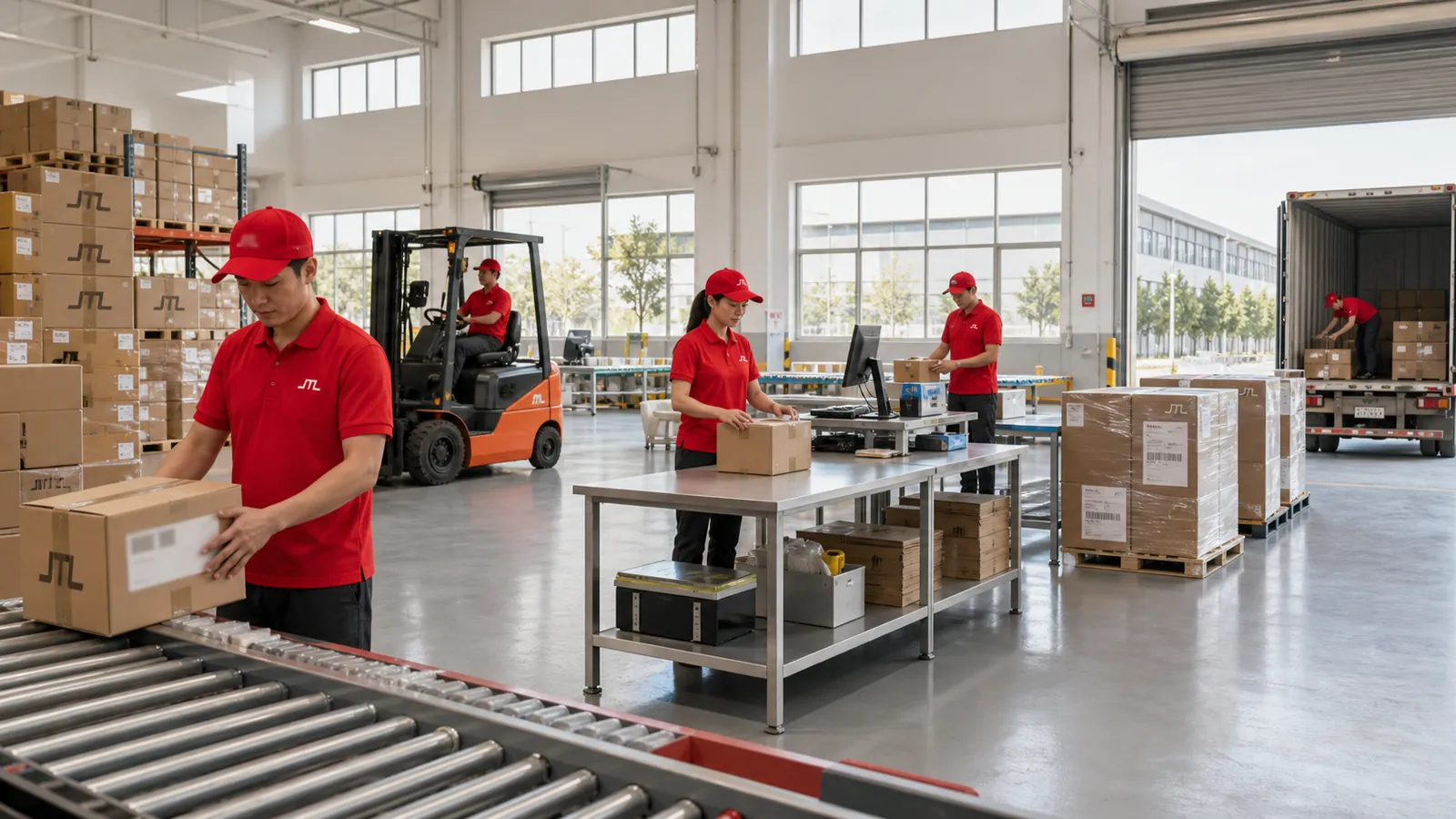
Start a business importing from China with a clear first-order plan
Three starting points
Start with a sourcing brief and a route check.
Verify MOQ, sample terms, and shipping readiness.
Move to budget, test order, and compliance review.
What to decide first
| Decision | Use this when | What to verify |
|---|---|---|
| Market fit | You know who will buy it but not the exact SKU yet. | Product use, size, packaging, and destination rules. |
| Supply path | You need to choose between marketplace, trading company, or factory. | Control level, MOQ, sample access, and response speed. |
| Compliance load | The product may be restricted, labeled, or certificated. | Destination rules, document needs, and import control risk. |
| Budget ceiling | You need a first-order budget before contacting suppliers. | Product cost, China domestic freight, QC, international freight, duty/tax, and cash timing. |
| Launch scope | You want a first order that teaches you something. | Test quantity, repeatability, and whether the packaging can survive shipping. |
How to start
- Define the product and the market in one sentence.
- Collect three to five supplier leads and one or two likely routes.
- Check restrictions, labeling, and document needs before payment.
- Build a landed-cost model with explicit assumptions.
- Ask for a sample or test order before bulk.
- Use the result to decide whether to scale, change, or stop.
Starter checklist
- Product category, use case, and target buyer
- Destination country and address type
- Supplier links or contact details
- Sample, QC, and label requirements
- Rough cash available for the first cycle
Example
Assume you want to import a kitchen gadget for a small Shopify store. You have three factory leads, a target landed cost of USD 6.50, and a first batch of 100 units. Before paying, you should check whether the product needs special labels, whether the carton data fits your route, and whether the first batch still makes sense after freight and duty. If the answer is no, change the product or the order size before money moves.
Boundaries
JTLGO can help you organize the import plan, but it does not guarantee profit or supplier performance.
A route quote is not a customs ruling, a certification, or a promise that clearance will be smooth.
Do not assume the same product is import-safe in every destination country.
Keep brand, IP, and restricted-goods checks separate from price talks.
FAQ
What do I need before I start?
A product idea, a destination, a rough budget, and at least one supplier or marketplace lead.
Is a business license required to start the conversation?
Not for planning. The business structure, importer of record, and local registration depend on the destination.
Can JTLGO tell me if the product will be profitable?
No. We can help model cost and risk, but profit depends on your sales channel, pricing, returns, taxes, and demand.
Should I source first or build the cost model first?
Do both in parallel. The cost model keeps the shortlist honest, and the shortlist keeps the model realistic.
Official references
Official import references and internal route notes