What Information Do You Need for an Auto Parts Quote to Africa?
A useful auto parts quote starts with two questions: what exactly are you buying, and what exactly needs to be delivered? A product link may help answer the first. It rarely answers the second on its own.
Published pending human review of service details and native-language copy. Confirm service terms with JTLGO before ordering.
On this page
- Quick answer
- 1. Prepare the minimum information first
- 2. Separate identification from shipping data
- 3. Use three levels of information
- 4. Declare relevant cargo characteristics early
- 5. Define what the quote should cover
- Before sending: a quick decision checklist
- Frequently asked questions
- Start with one organized cargo list
- Prepare a specific inquiry
Quick answer
A quote needs two things: exact identification of each part and shipping data for the actual cargo. Send part details, quantity, condition, packed dimensions and weight, the destination and any batteries or fluids, and say what the quote should cover. JTLGO can then review that organised list for a shipment-specific quote.
For this step, see Finding suppliers in China.
For a workshop ordering one replacement or a distributor combining several suppliers, the goal is the same: give the purchasing and shipping teams a shared description of the order. You do not need every measurement before making contact. You do need to distinguish confirmed information from estimates and unanswered questions.
JTLGO combines auto parts expertise with broad Africa DDP coverage, including South Africa DDP. Availability and quotation scope still need confirmation for your particular cargo and delivery location. Use the following checklist to start that conversation.
1. Prepare the minimum information first
Your first inquiry should make the intended transaction understandable without asking the recipient to reconstruct it from separate chats.
- Destination: country and city; add a postcode where available.
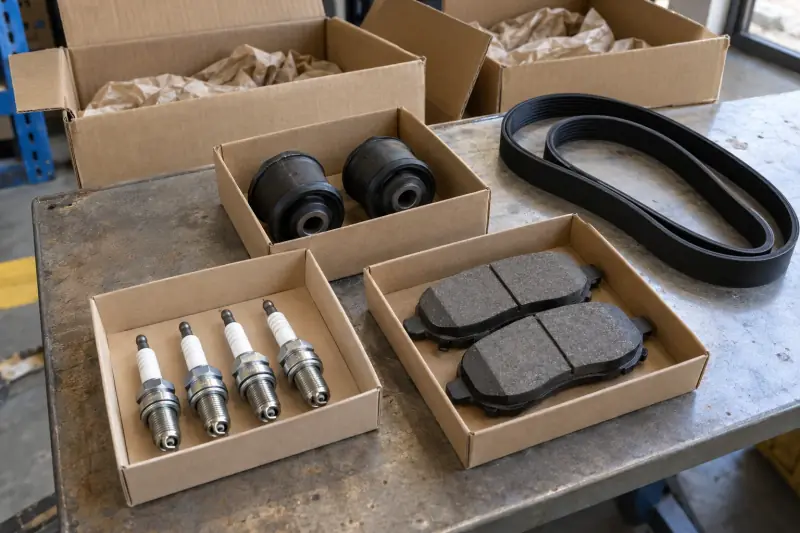
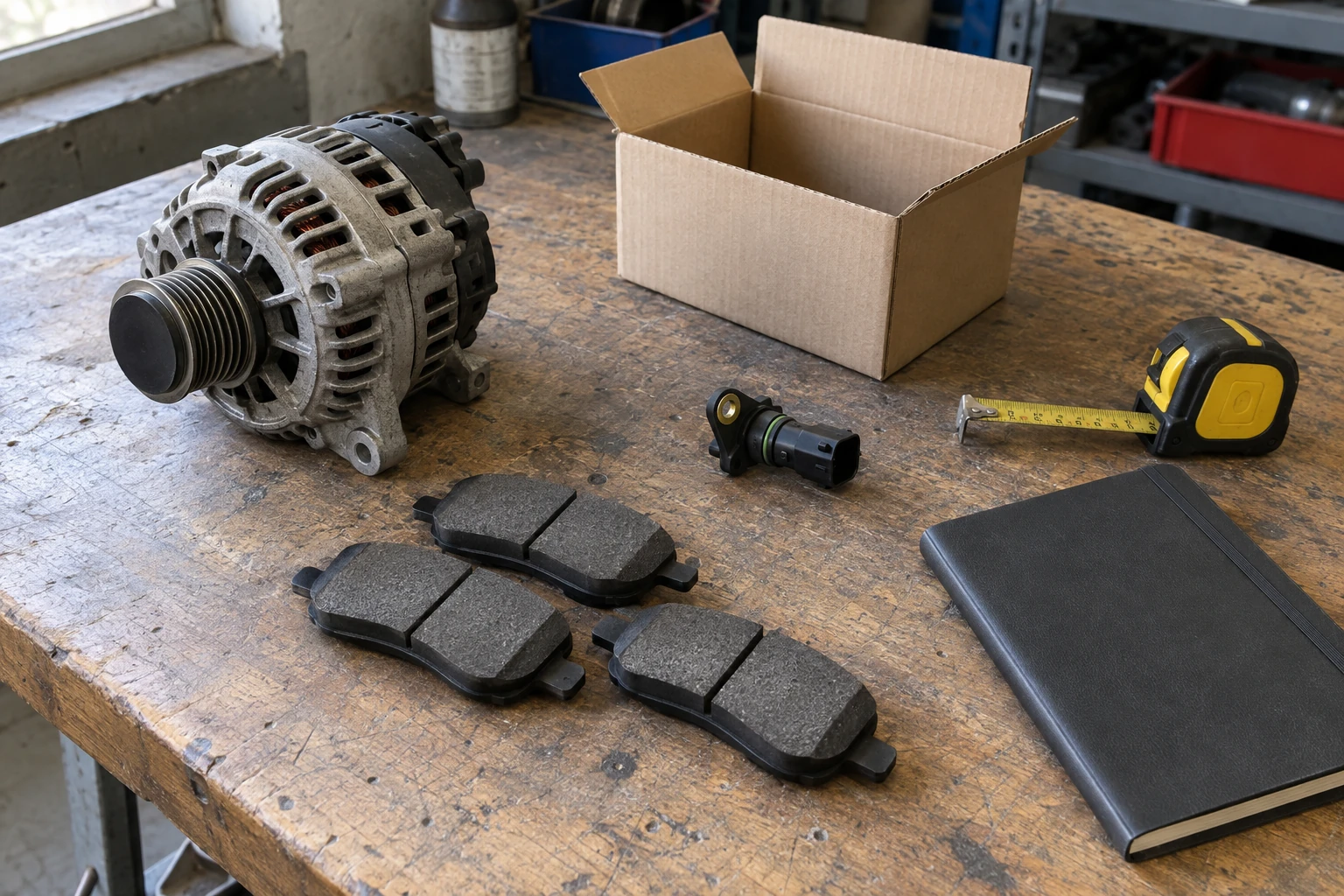
- Product: a specific name, known part number, and product link or clear photographs.
- Quantity and unit: pieces, pairs, sets, or complete assemblies.
- Condition: new, used, refurbished, or not yet confirmed.
- Starting point: supplier location, collection location, or whether the goods have not yet been purchased.
- Help required: sourcing, buying support, shipping already-purchased goods, or a combination.
- Special characteristics: known batteries, liquids, gas, or other features requiring assessment.
Write “unknown” where necessary. A guessed package weight can make an estimate look more definite than the underlying information supports. Likewise, “ten sets” needs an explanation of what each set contains.
If there are several products, assign a line number to each. Use those same numbers when discussing prices, photographs, substitutions, and missing information.
2. Separate identification from shipping data
For identification, provide the part number exactly as shown, including suffixes. Add the vehicle make, model, year, engine or version, and installation position where relevant. Label a number copied from an old component separately from a supplier's proposed replacement number. Ask the supplier to confirm the relationship between them.
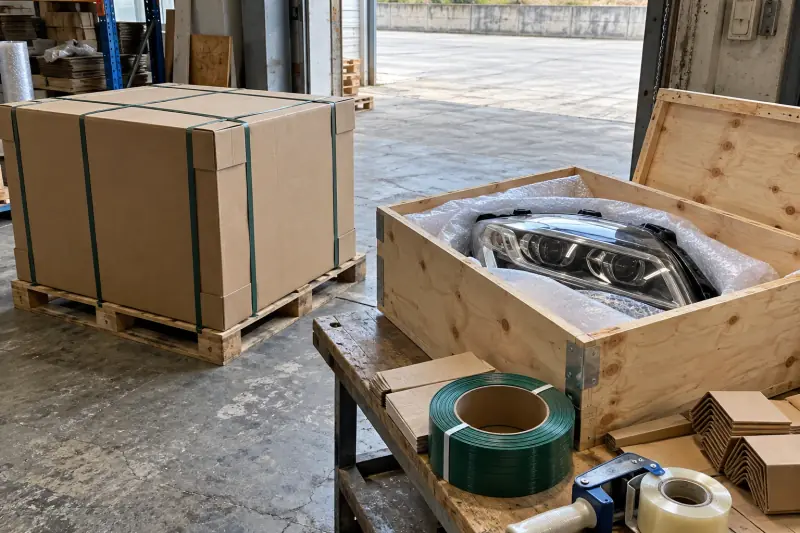
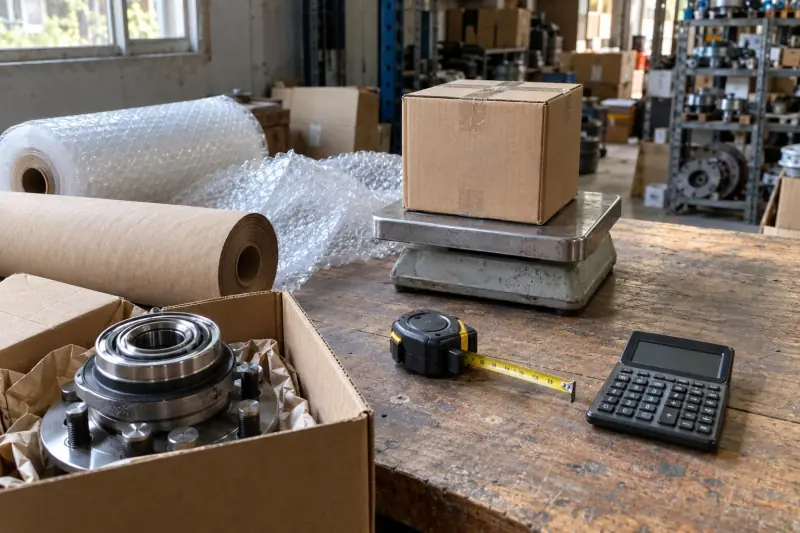
For shipping, ask for the number of packages, packed dimensions, gross weight, packaging type, and whether the figures are measured or estimated. Product dimensions alone leave out the protective carton, crate, or pallet. If packing has not been decided, request an estimate with that limitation recorded.
JTLGO's published terms state that final shipping costs depend on actual weight and dimensions. That makes the measurement basis important when moving from an early estimate to a shipping decision. JTLGO Terms of Service
3. Use three levels of information
The following is a suggested buyer worksheet, not a mandatory form or a statement that every listed check is available.
Scroll sideways or use the arrow keys to see all columns.
| Stage | Information to prepare | What to ask next |
|---|---|---|
| Start the inquiry | Product, quantity, condition, origin location, destination city | Is there enough information for an initial assessment? |
| Refine the estimate | Packed dimensions, weight, package count, selected product option | Which figures remain provisional? |
| Confirm the shipment | Final cargo list, agreed packaging, delivery details, required documents | What must be resolved before booking or dispatch? |
Keep a separate “awaiting supplier reply” column in your own list. This turns missing information into a defined next step rather than a silent assumption.
4. Declare relevant cargo characteristics early
“Auto parts” is too broad to resolve transport questions. A dry bracket, a battery, and an assembly containing an airbag require different questions. FedEx's automotive shipping guidance specifically flags batteries, airbags, and some engines containing hazardous fuel as items requiring dangerous-goods consideration. This is a carrier example, not confirmation of JTLGO acceptance. FedEx automotive shipping guidance
Describe the actual product and its current condition. If the supplier has specifications or relevant safety documents, ask which ones the service provider needs. Do not remove important details from the description to obtain a simpler quote, and do not assume a document alone confirms acceptance.
5. Define what the quote should cover
Ask whether the figure covers purchasing support, collection, packing, international transport, customs arrangements, and delivery to the stated location. Request a clear distinction between included charges, separately quoted work, and unresolved items.
For a DDP transaction, the named delivery place matters. ICC's explanation describes DDP as placing import clearance and applicable duties with the seller, with delivery on the arriving vehicle ready for unloading. A logistics quote should clearly explain its role in that arrangement. ICC Academy: EXW or DDP
Also ask about quote validity, the assumptions behind any timing estimate, and what happens if the cargo list or measurements change. Avoid treating an early chat estimate as approval to purchase a different product or send additional boxes.
Before sending: a quick decision checklist
- Can each photograph be matched to one item in the list?
- Are quantities and units unambiguous?
- Have estimates been labelled?
- Are special cargo characteristics disclosed?
- Is the destination specific enough for an assessment?
- Is your next question clear: sourcing, feasibility, estimated cost, or final quote?
Frequently asked questions
Can I ask for a quote without packed dimensions?
Yes. Explain that measurements are pending and ask whether an initial estimate is possible. Confirm what must be measured before the price can be finalized.
Should I send my full delivery address immediately?
For an initial discussion, start with the country, city, and postcode if available. Provide additional address details privately when needed to confirm delivery or arrange the shipment.
Is a photo enough if I do not know the part number?
It can start the discussion. Add any readable labels and known vehicle information, then ask what identification remains unresolved before purchase.
Does Africa DDP coverage mean my shipment is accepted?
No. Your cargo, condition, destination, and requested service scope still require confirmation.
Start with one organized cargo list
Contact JTLGO about your auto parts quote. Send the known product details, quantities, condition, origin location, and destination city. Mark missing measurements clearly so the next reply can focus on the information needed to move your order forward.
Prepare a specific inquiry
Send supplier links, new/used/refurbished condition, quantities by SKU and the visible details to check before dispatch. Basic warehouse photos document appearance; they are not functional tests or technical certification. Agree any extra inspection scope separately.