South Africa DDP Auto Parts Quote
JTLGO's South Africa DDP service is now available. For a workshop, parts distributor or individual buyer sourcing from China, the next step is to check the actual shipment: which components you are buying, their condition, their packed size and where they need to arrive.
Published pending human review of service details and native-language copy. Confirm service terms with JTLGO before ordering.
On this page
- Quick answer
- Start with a parts list that identifies each item
- Resolve South African product requirements early
- Describe batteries, fluids and larger assemblies
- Name the receiving location and its practical limits
- South Africa quote checklist
- Frequently asked questions
- Request your South Africa review
- Prepare a specific inquiry
Quick answer
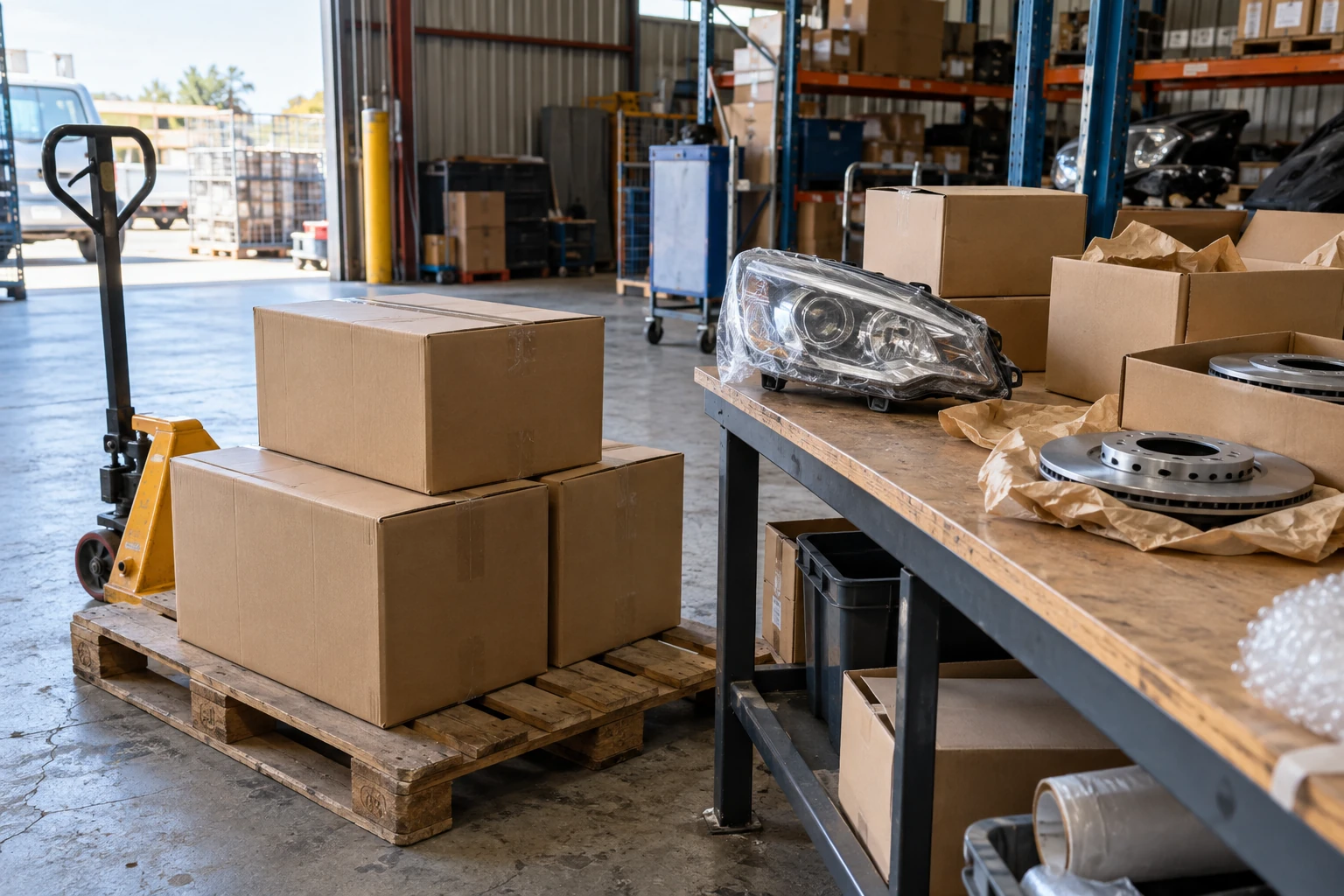
JTLGO's South Africa DDP service is now available. For a quote, list each part with its condition, packed size and weight and the receiving location, resolve South African product requirements early, and declare batteries or fluids up front. The applicable quote still depends on your cargo and delivery location.
For this step, see Auto parts DDP route review.
A service opening gives you a useful starting point. The quote still needs to match your cargo and delivery location. Preparing those details before paying a supplier can help you resolve import, transport and receiving questions while you still have purchasing choices.
Start with a parts list that identifies each item
Give each part its own line. Include the product name, OEM or supplier part number, quantity, brand where known and a product link. Add clear photographs of the component and its label. For fitment-sensitive parts, include the vehicle model, year, engine or version and installation position where relevant.
Write the condition explicitly: new, used, refurbished or remanufactured. If the supplier has only described a part as “good quality,” ask what that means. A cleaned used gearbox and a newly manufactured gearbox may look similar in photographs, but they raise different purchasing and import questions.
Keep unknown information marked as unknown. A preliminary inquiry can identify what needs checking; a guessed part number or invented package weight can send the review in the wrong direction.
Resolve South African product requirements early
South African government guidance states that controlled goods and used or second-hand goods require importer registration with SARS and an ITAC import permit. It also explains that import policy varies by sector. Buyers considering used parts should resolve the applicable requirements before dispatch, rather than treating a supplier's willingness to sell as import approval. See the South African government's import-permit guidance.
New parts can also involve product-specific controls. For example, the NRCS publishes a compulsory specification for replacement brake-lining assemblies. Its requirements concern the covered products; they should not be copied onto every spare part. Ask which technical documents and approvals apply to the exact component and intended use. Ask the importer or a qualified adviser to identify the current NRCS compulsory specification and approval requirements for the exact replacement brake-lining product. Confirm the applicable document and version before purchase or dispatch.
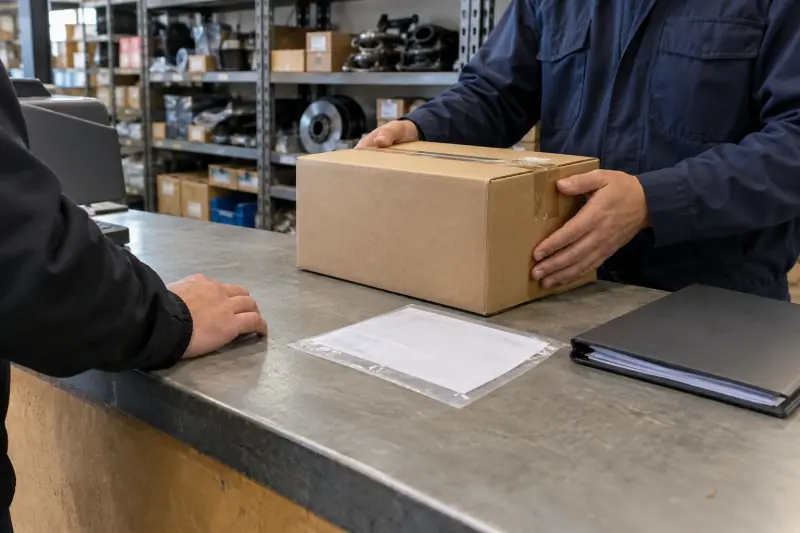
A DDP arrangement must have a lawful way to complete import formalities. Ask who will perform the importer and declaration roles, what information is required from you, and when it must be provided. Share identity or registration documents only through the confirmed private channel when needed, rather than including them in a public inquiry.
Describe batteries, fluids and larger assemblies
“Auto parts” is too broad for transport screening. Identify batteries, airbag or pretensioner mechanisms, liquids, compressed gases and any fuel or oil residue. Provide manufacturer specifications and available safety or transport documentation relevant to those items.
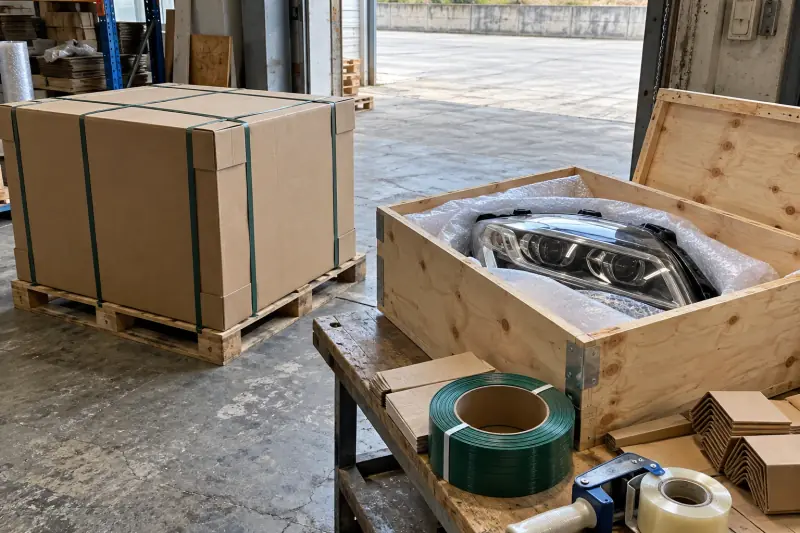
For an engine or gearbox, explain the current condition, any fluids or residues, and how it is packed. Ask the supplier for gross weight and external dimensions after crating, including the pallet or supports. Product weight alone does not describe what the transport provider must handle.
Do not remove labels, rename goods or assume that draining a component establishes its transport classification. The provider needs an accurate description to assess the shipment and any professional preparation required.
Name the receiving location and its practical limits
For the initial inquiry, give the South African city, postcode and address type: workshop, warehouse, shop, residence or another receiving site. Include any known vehicle-access or receiving restrictions. The complete delivery address can follow privately when required to finalize the quote.
Heavy cargo needs a receiving plan. Tell the provider whether the site has a loading bay, forklift or other suitable equipment, and whether an appointment is required. Request explicit confirmation of any unloading or special-handling arrangement.
Under the ICC's DDP rule, delivery is at the agreed destination with goods import-cleared and ready for unloading. Unloading should therefore be addressed separately in your service scope. See the ICC's DDP explanation.
South Africa quote checklist
Before submitting your request, collect:
- A dated item list with names, part numbers, quantities and values
- Product links and identifying photographs
- Each item's new, used, refurbished or remanufactured condition
- Battery, fluid, gas or safety-device details where applicable
- Origin location, cargo-ready status and supplier packing information
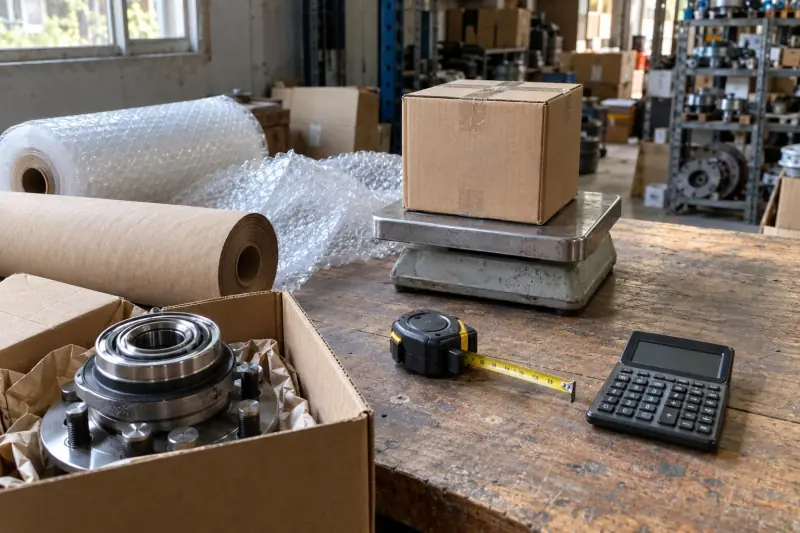
- Package count, packed dimensions and gross weight, or clearly marked estimates
- Destination city, postcode, address type and receiving-equipment details
- Any known product-approval requirements and unresolved questions
Then ask the written quote to identify its cargo-list version, named destination, validity period, duty and tax treatment, included services and any remaining conditions. Confirm optional packing, insurance and unloading separately. If the order changes, request a revised assessment before dispatch.
Frequently asked questions
Does the South Africa opening cover every part and address?
Each request needs confirmation against its cargo and destination. Send the item list and location so the team can establish the applicable service scope.
Can I request a quote before the supplier finishes packing?
Yes. Explain which weights and dimensions are provisional. Ask what can be estimated now and what must be rechecked once the final packaging is measured.
Do I need to arrange unloading myself?
Clarify this before accepting the quote. Describe your equipment and access conditions, and ask whether unloading support is available and included for the specific shipment.
Request your South Africa review
Send your South Africa auto-parts request to JTLGO. Include the parts list, cargo condition, city and postcode, then list the questions you need answered before purchasing or shipping. JTLGO's public contact page also provides email and WhatsApp options for reference photographs.
Prepare a specific inquiry
Provide destination country, city and postcode, cargo description and condition, declared value, carton dimensions and weight, and receiver requirements. Ask whether this cargo and destination have an available route and exactly what DDP includes; coverage is not universal.