AI Procurement Agents: Which Sourcing Pain Points They Remove, and Which They Do Not
The short answer
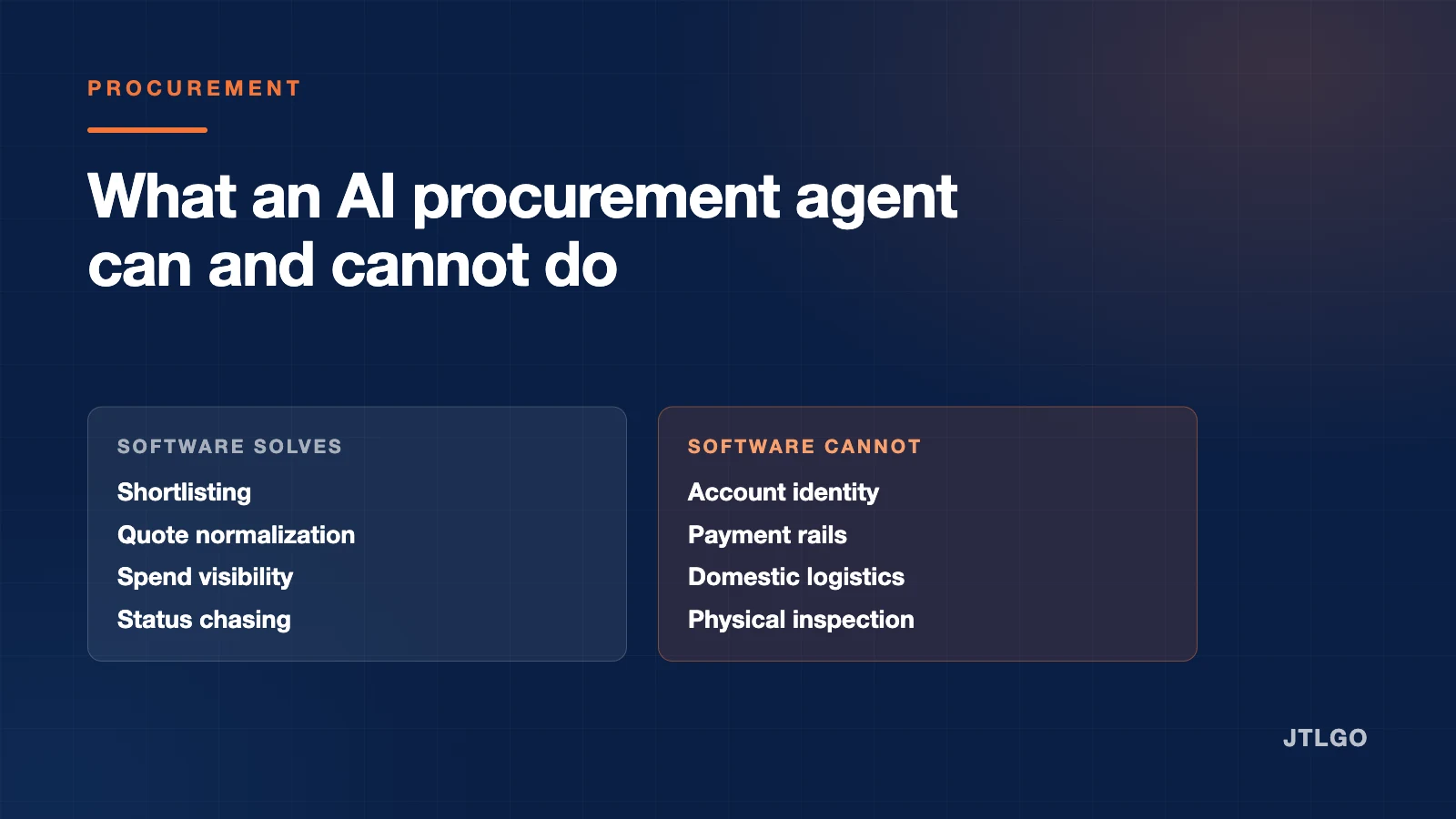
An AI procurement agent reliably removes the search, comparison and follow-up work in sourcing. It does not remove the five structural barriers that stop a foreign buyer from transacting directly on China's domestic marketplaces: account identity, payment rails, domestic logistics, physical verification, and minimum order quantities. Those barriers are not software problems, and no amount of model capability dissolves them. Understanding which category a given pain point falls into is the difference between a procurement pilot that pays for itself and one that quietly stalls at the payment step.
What an agent genuinely removes
Four pain points respond well to automation, and they respond for the same underlying reason: each is a high-volume, low-judgement task where the cost is analyst hours rather than risk.
1. Shortlisting across a fragmented supply base
A category manager comparing suppliers manually opens perhaps a dozen listings before fatigue sets in, and the dozen are usually the ones that ranked well, not the ones that fit best. An agent reading structured product data compares hundreds against the same specification. McKinsey puts the efficiency gain from autonomous category agents at 15 to 30 percent, and shortlisting is where most of that sits.
2. Normalizing quotes that are not comparable
Two quotes for the same item routinely differ in what they include: one has domestic freight inside it, one does not; one prices at a quantity break the buyer will not reach; one quotes a variant with a different material. Normalizing these by hand is tedious and error-prone. It is also mechanical, which makes it a good fit for an agent that can be told exactly which fields must match before a comparison is allowed.
3. Recovering spend that is hidden in "miscellaneous"
Every procurement organization has a tail of uncategorized spend. It is not hidden maliciously; it accumulates because categorizing a small purchase costs more attention than the purchase is worth. An agent that reads invoices and reclassifies them surfaces that tail, which is often where the easiest savings are. The constraint here is data quality, not capability: around three quarters of procurement leaders name data quality as their primary barrier to using AI at all.
4. Retaining knowledge when people leave
The most underrated benefit. A great deal of sourcing knowledge is institutional and undocumented: which supplier is slow in August, which one substitutes materials without telling you, which shipping mode is a false economy for a given product. Agents force that knowledge into written rules, because a rule is the only form an agent can act on. The value is in writing it down, and the agent is the excuse.
The five barriers an agent cannot remove
Now the honest half. These are the reasons a capable agent, pointed at a Chinese domestic marketplace, gets as far as a filled cart and then stops.
| Barrier | Why the agent stops | What actually resolves it |
|---|---|---|
| Account identity | Domestic platforms verify accounts against Chinese identity documents and, for some, a Chinese mobile number. An agent cannot hold an identity it was never issued. | A party inside China transacting under its own verified account |
| Payment rails | Settlement expects a Chinese bank card or a domestic wallet. A foreign card is declined at the gateway, not at the checkout page, so the failure arrives late. | A domestic settlement account, with the foreign buyer paying that party |
| Domestic logistics | Sellers quote and ship to a mainland address. Many will not quote export at all, and those that do often price it as an unfamiliar exception. | A receiving address in China, plus consolidation before export |
| Physical verification | Photographs on a listing are not evidence about the goods in the carton. No protocol turns a product image into a quality record. | Someone opening the box and photographing what is inside |
| Minimum order quantities and variants | Price depends on quantity tiers and on variant combinations that are frequently encoded inconsistently. An agent that reads the headline price gets the wrong number. | Confirming the tier and the exact variant with the seller before payment |
The pattern is worth naming: every one of these barriers is resolved by a party physically and legally present in China, not by better software. This is why the practical architecture for cross-border agent sourcing is not "agent buys directly" but "agent does the analysis, a verified party executes the transaction."
China's own agent market shows the same split
Domestic adoption in China is substantial and moving faster than most Western coverage suggests. Alibaba's Accio sourcing agent reached roughly ten million monthly active users by March 2026, and Alipay processed around 120 million agent-initiated transactions in a single week in February 2026. That is not a market waiting for the technology to arrive.
But notice what those numbers describe. They describe agents operating inside the domestic identity, payment and logistics system, where all five barriers are absent by construction. A domestic agent has a verified account, a domestic wallet and a mainland delivery address. The foreign buyer's agent has none of the three. The gap between those two positions is the entire cross-border sourcing problem, and it is commercial and legal rather than technical.
A division of labour that works
The arrangement that holds up in practice splits the workflow at the point where judgement becomes physical.
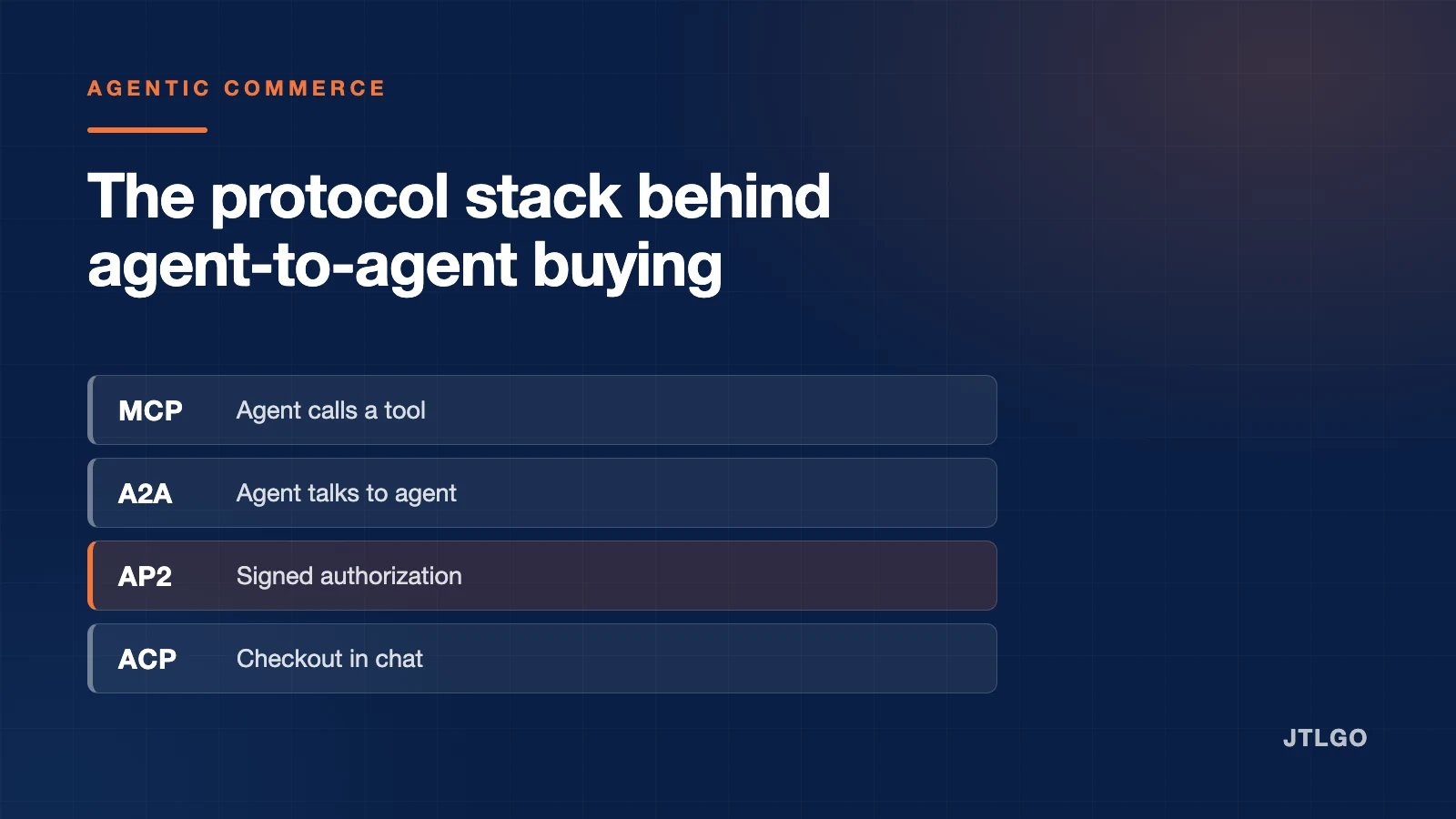
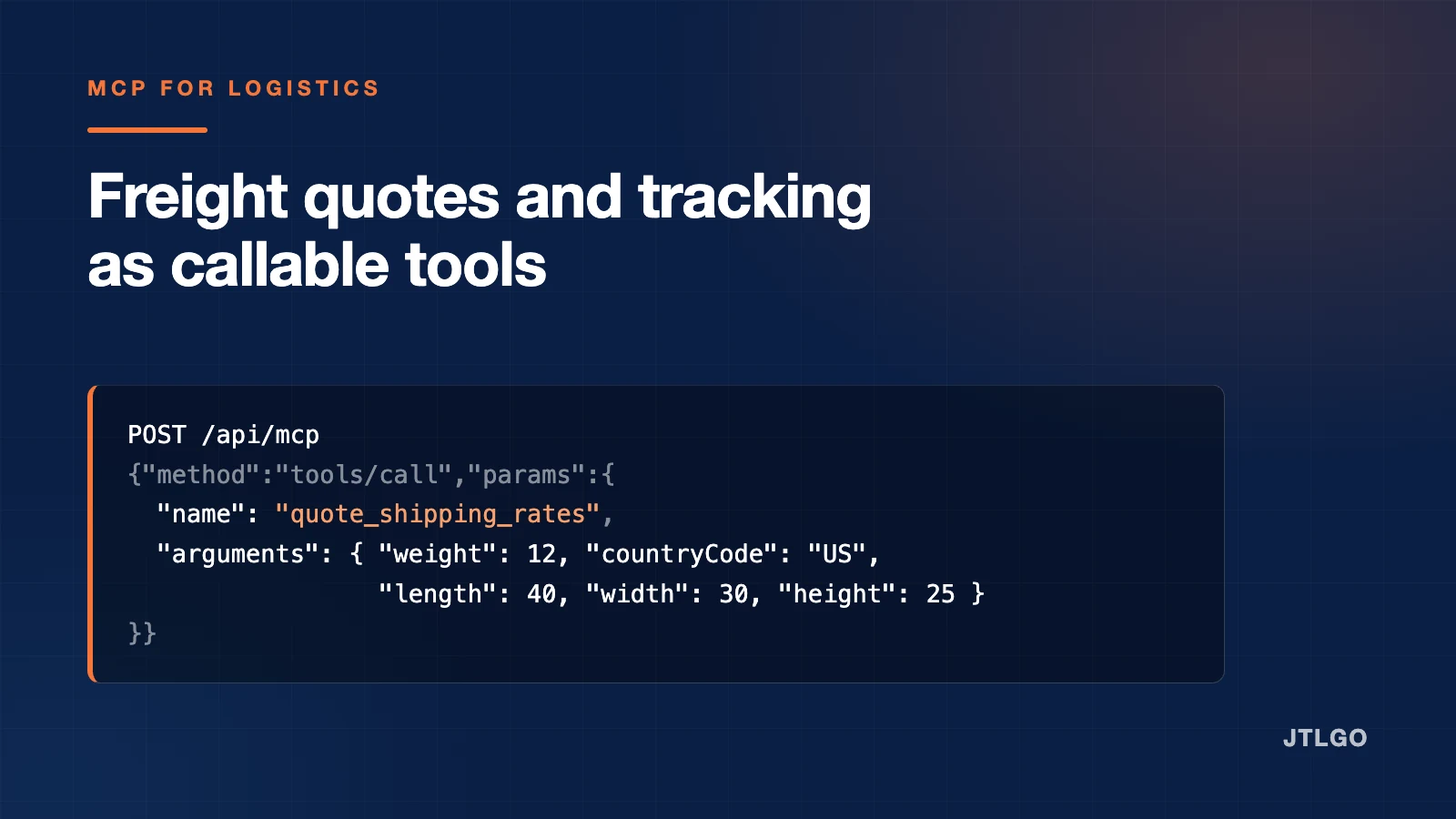
- The agent handles search, specification matching, quote normalization, landed-cost modelling, freight comparison and status chasing. All of this is information work, and all of it is callable through tools, including an MCP connector for search, rating and tracking.
- A human decides which supplier, at what tier, against what acceptance criteria. This is where the money is committed and where the signed authorization belongs.
- A party in China executes the purchase, receives the goods, inspects them against the stated criteria, consolidates the cartons and hands off to export. This is the part that cannot be delegated to software.
Structured that way, the agent's contribution is measurable: it compresses the research and comparison cycle, and it keeps the record of why a decision was made. It is not pretending to be a buyer with a Chinese bank account.
What to prepare before running a pilot
Most cross-border sourcing pilots fail for the same avoidable reason: the specification was never written precisely enough for a machine to compare against. Before pointing an agent at anything, fix the input.
- One written specification per item: material, dimensions, tolerance, finish, packaging, and the variant axes that matter
- The target quantity and the quantity you would actually accept, so tier pricing can be evaluated honestly
- Destination country and postcode, plus whether the shipment needs delivered-duty-paid handling, labelling or carton splitting
- Restriction flags: batteries, liquids, powders, magnets, food contact, branded or licensed content, fragile or oversized items
- Acceptance criteria written as something a person can photograph, not as an adjective
That last one does most of the work. "Good quality" cannot be verified. "No visible scratches on the lid, hinge opens fully, label printed square within two millimetres" can be, by someone holding the item.
Frequently asked questions
Can an AI agent buy from 1688 directly?
It can search, read listings and assemble a comparison. It cannot complete the purchase on its own, because checkout requires a verified domestic account and a Chinese payment instrument. The purchase step needs a party inside China.
Does an AI procurement agent replace a sourcing agent?
No, it replaces the research hours. The sourcing agent's remaining value is the part that was always physical: transacting under a verified account, receiving goods, inspecting them, consolidating and exporting.
What is the biggest source of error when an agent compares Chinese suppliers?
Quantity tiers and variant encoding. The headline price on a listing is usually the price at a quantity you are not ordering, for a variant you may not have selected. An agent that reads the top-line number produces a comparison that looks precise and is wrong.
Where should the human approval sit?
At supplier selection and at payment, and it should reference a written acceptance standard. Approving a total without an acceptance standard means the inspection step has nothing to check against.