Damaged, Missing, or Incorrect Auto Parts: What Evidence Should You Prepare?
When an auto parts shipment arrives with damage, missing items, or a different part number, begin by reporting the issue through the appropriate channel and preserving the evidence you already have. Do not postpone the first notification while trying to create a perfect folder of photos or video.
Published pending human review of service details and native-language copy. Confirm service terms with JTLGO before ordering.
On this page
- Quick answer
- 1. Notify the right contact promptly
- 2. Record what you can observe safely
- 3. Keep the order baseline
- 4. Describe each issue separately
- 5. Prepare a short handover card
- 6. Preserve options before returning or repairing
- Frequently asked questions
- Make the first message clear
- Prepare a specific inquiry
Quick answer
Report the issue through the right channel first, then preserve the evidence you already have. Photograph what you can observe safely, keep the order baseline, describe each issue separately and prepare a short handover card. Keep your options open before returning or repairing, and tell JTLGO and the carrier promptly rather than waiting for a perfect file.
For this step, see Loss-only insurance and claims limits.
The purpose of an evidence pack is to explain what was ordered, what arrived, and where the difference can be seen. It helps the relevant parties investigate. It does not, by itself, establish responsibility or guarantee replacement, reimbursement, or a successful claim.
The checklist below is a suggested way to organize your information. The actual reporting process, required documents, deadlines, and available remedies depend on the seller, service agreement, shipment, and any applicable insurance.
1. Notify the right contact promptly
Find the contact named in your order confirmation, shipping instructions, or applicable after-sales terms. Send the order or shipment reference, delivery date, a short factual description, and the evidence already available. Ask how to submit the issue formally and what deadlines apply.
Distinguish first notification from submitting a complete claim. Ask whether there are separate deadlines for reporting damage, providing supporting documents, and arranging an inspection. If another party must submit the carrier claim, ask who that party is and what they need from you.
Carrier requirements are not universal. For example, FedEx's published claims guidance describes supporting documents, photographs, and retention of original packaging, but it applies to the services and regions covered by that page. Do not apply another carrier's deadlines to your shipment. FedEx claims guidance
2. Record what you can observe safely
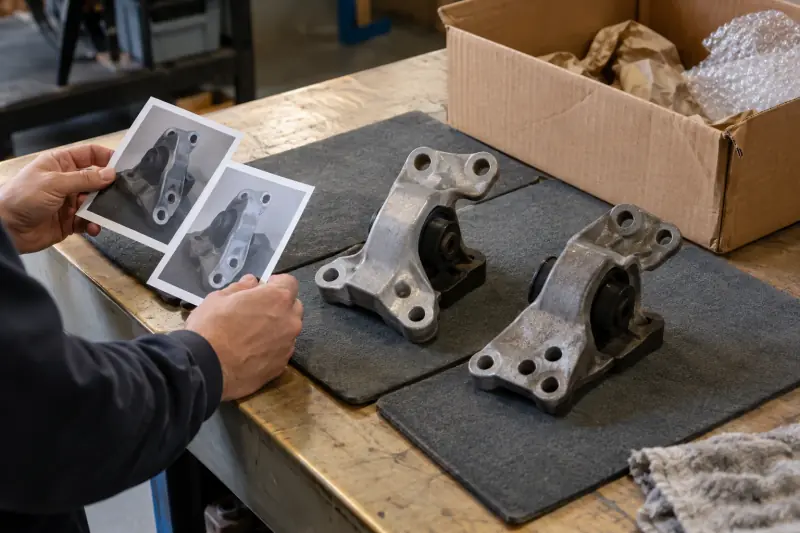
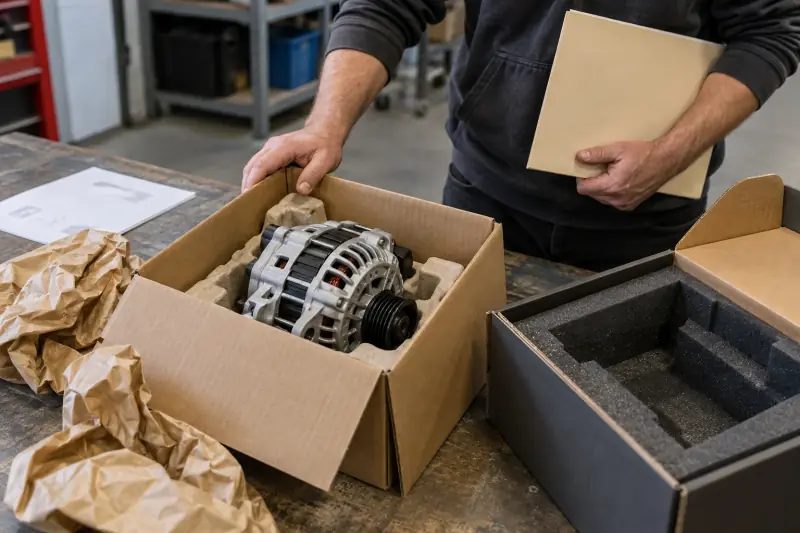
Start with the package exterior, shipping label, visible damage, seals, and the number of packages received. Then record the contents and the specific concern where safe to do so.
Keep the observations precise:
- “Two cartons received; the packing list identifies three.”
- “The label on the received component differs from the confirmed order line.”
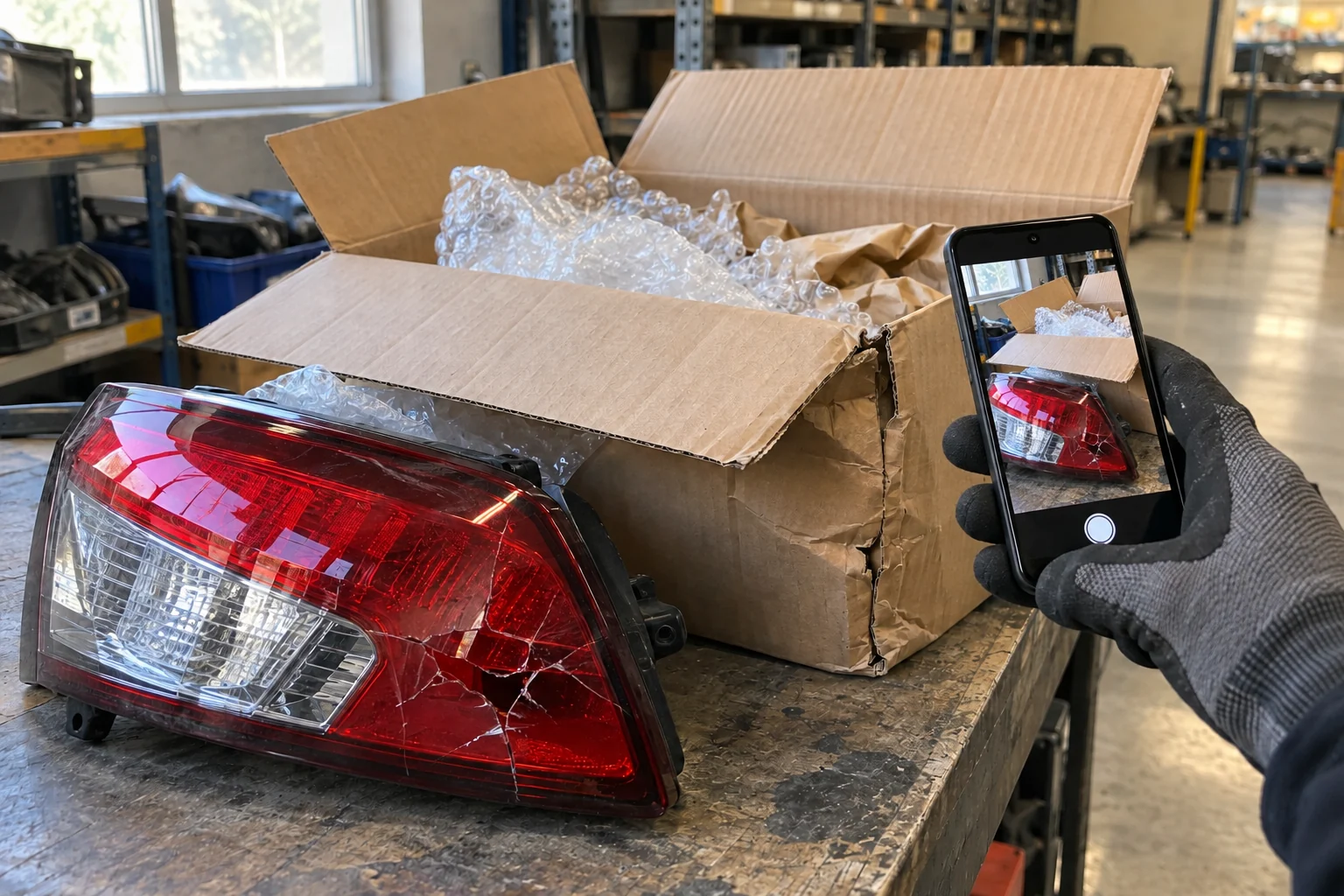
- “A mounting tab appears broken in the attached photograph.”
These descriptions separate facts from conclusions such as “the seller sent the wrong item” or “the carrier broke it.” Investigation may require records from more than one stage.
If the goods appear unsafe, leaking, unstable, or otherwise hazardous, prioritize safety and seek appropriate professional guidance. Do not power, install, dismantle, or manipulate a suspect component merely to improve the evidence.
3. Keep the order baseline
Preserve the version of the order that was actually confirmed, including any approved substitution. A product-page screenshot alone may not show the selected option, later changes, or the agreed quantity.
Useful records can include:
- The final itemized order and invoice.
- Written confirmation of part numbers, condition, and included accessories.
- The packing list and available dispatch information.
- Warehouse photographs, where provided.
- The relevant shipping quotation and service terms.
- Existing messages about substitutions or unresolved questions.
Use original files where possible. Keep unedited images alongside any annotated copies. Match evidence to order-line numbers so a reviewer does not have to guess which photograph belongs to which item.
4. Describe each issue separately
Damage: show an overall view and a closer image of the affected area. Include packaging context. A close-up alone may not explain which component is involved or how it was packed.
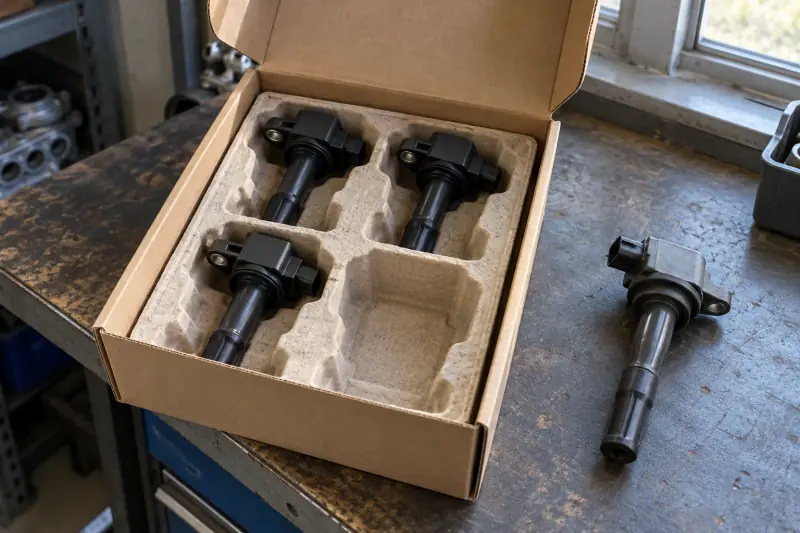
Missing items: compare the agreed quantities and units with the actual count. Separate a missing entire package from a missing item inside a received package. Ask whether any part of the order was shipped separately before concluding it is lost.
Incorrect identifiers or specifications: show the requested identifier, any approved replacement, and the identifier on the received item. A different carton label is a reason to investigate; confirm the actual component where possible without unsafe handling.
Suspected functional fault: state what was observed and who assessed it. A failure during installation is not the same evidence as visible transport damage. Ask what qualified diagnostic information is required rather than attempting unapproved tests.
5. Prepare a short handover card
This blank worksheet is an organizational suggestion, not an official claim form.
Scroll sideways or use the arrow keys to see all columns.
| Field | Your information |
|---|---|
| Order and shipment reference | |
| Delivery date and issue discovery date | |
| Affected order line, part number, and quantity | |
| Expected item or condition | |
| Observed difference | |
| Photo or document filenames | |
| Packaging and goods currently retained | |
| Contact already notified and notification date | |
| Reporting requirements or deadlines confirmed | |
| Next question or requested decision |
If several items have different issues, give each its own entry. Avoid combining a quantity dispute and a performance concern into one unexplained total.
6. Preserve options before returning or repairing
Ask what should be retained for inspection and whether any handling is authorized. Avoid disposing of packaging or sending the goods back before receiving the applicable instructions. A return decision needs its own destination, acceptance conditions, shipping feasibility, and cost allocation.
Similarly, ask before arranging a repair that could alter the evidence. If urgent professional action is necessary for safety, document what happened and tell the relevant parties promptly.
JTLGO's published terms make transaction-specific documents important to identifying the contracting party and applicable responsibilities. Keep those documents with the evidence pack rather than assuming the brand name alone answers every responsibility question. JTLGO Terms of Service
Frequently asked questions
Must I have an unboxing video?
Do not assume it is required in every case. Check the rules for your order and shipment. Send the evidence you have and notify the relevant contact promptly rather than delaying because no video exists.
Does a signed delivery record prevent me from reporting a problem?
Do not assume that it settles the issue either way. Ask the responsible contact about the applicable process, evidence, and deadlines for the circumstances of your delivery.
Should I send the damaged part straight back?
First obtain return instructions and confirmation of acceptance, costs, and transport suitability. An unapproved return may complicate the investigation and create additional expense.
Does a complete evidence pack guarantee compensation?
No. It supports assessment. Responsibility, coverage, exclusions, and remedies depend on the applicable agreement and circumstances.
Make the first message clear
If your order or shipment was arranged through JTLGO, contact JTLGO about the delivery issue with the reference, delivery date, affected items, and available evidence. Ask for the appropriate reporting channel and deadlines immediately, then complete any additional information requested.
For a JTLGO delivery issue, notify JTLGO and the local delivery carrier immediately. Ask who is authorized to submit the formal carrier claim, but do not delay initial notification while that is clarified. Record visible delivery anomalies where possible and retain packaging and goods safely.
Prepare a specific inquiry
Prepare item identifiers, packaging and arrival-condition photos, the timeline and the issue to review; share any order or personal details only through the private contact channel. The stated insurance is Loss Only: damage is not covered. Evidence preparation or a support request does not guarantee compensation or a return service.