Auto Parts with Fluids or Residue: Shipping Details
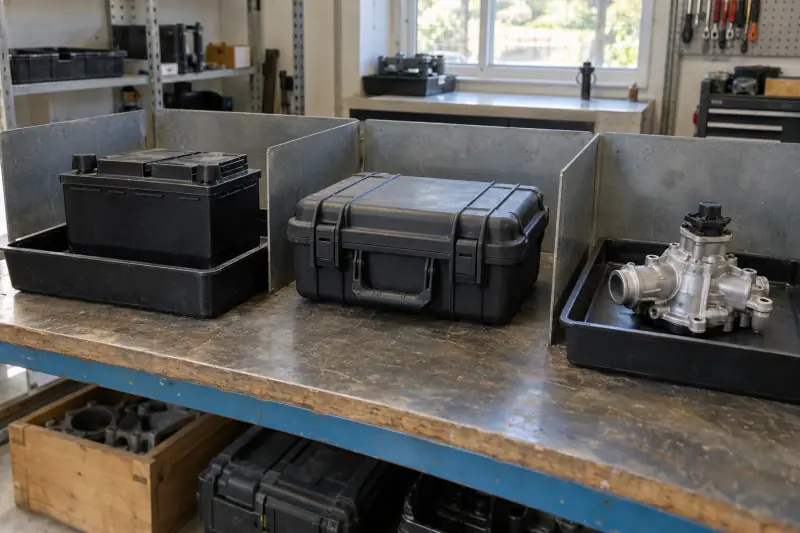
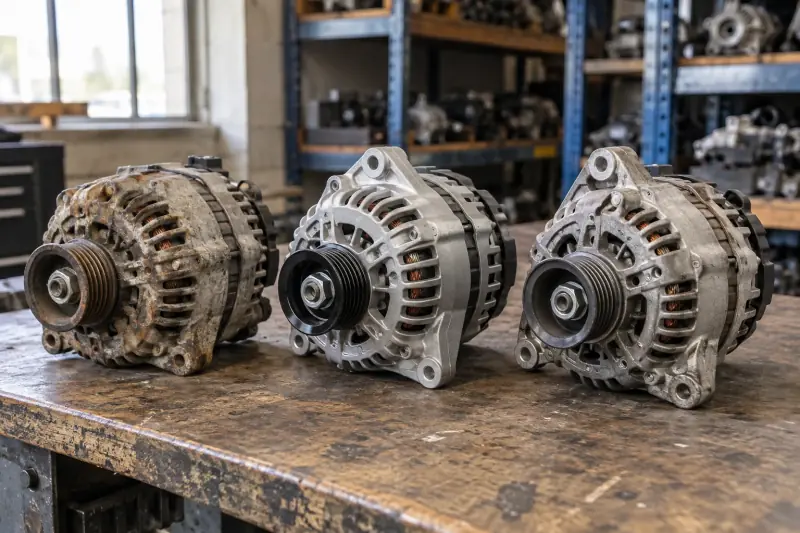
“Empty,” “dry” and “used” answer different questions. A supplier may describe a component as empty because its main contents were removed, while the shipping provider still needs to know its history and current condition. A part can also look clean in a photograph without that image resolving what remains inside it.
Published pending human review of service details and native-language copy. Confirm service terms with JTLGO before ordering.
On this page
- Quick answer
- Begin with the product and its history
- Use a condition statement that exposes gaps
- Understand what photographs can contribute
- Treat safety documents as evidence for review
- Ask the questions in the right order
- Keep other order lines identifiable
- Frequently asked questions
- Ask with a complete condition description
- Prepare a specific inquiry
Quick answer
“Empty,” “dry” and “used” mean different things. Give the part's history and a current condition statement, say what was drained or removed and what may remain, and treat photographs and safety documents as evidence for review, not proof. Send these details to JTLGO before shipment so the route can be assessed.
For this step, see Auto parts DDP route review.
The practical first step is a truthful condition statement tied to the actual component. Ask the supplier for facts, preserve uncertainties and give the information to the relevant provider before sending the goods. This supports assessment without asking the buyer to improvise hazardous-material preparation.
JTLGO's published Terms of Service list hazardous materials among prohibited items. An enquiry about uncertain fluid or residue content is a request to establish the cargo's status and applicable restrictions; it is not evidence that JTLGO accepts dangerous goods.
Begin with the product and its history
Identify the component by its exact name, manufacturer, part number and condition. State whether it is new, used, refurbished, damaged or supplied for another purpose. Describe the actual item, rather than relying entirely on a generic product listing.
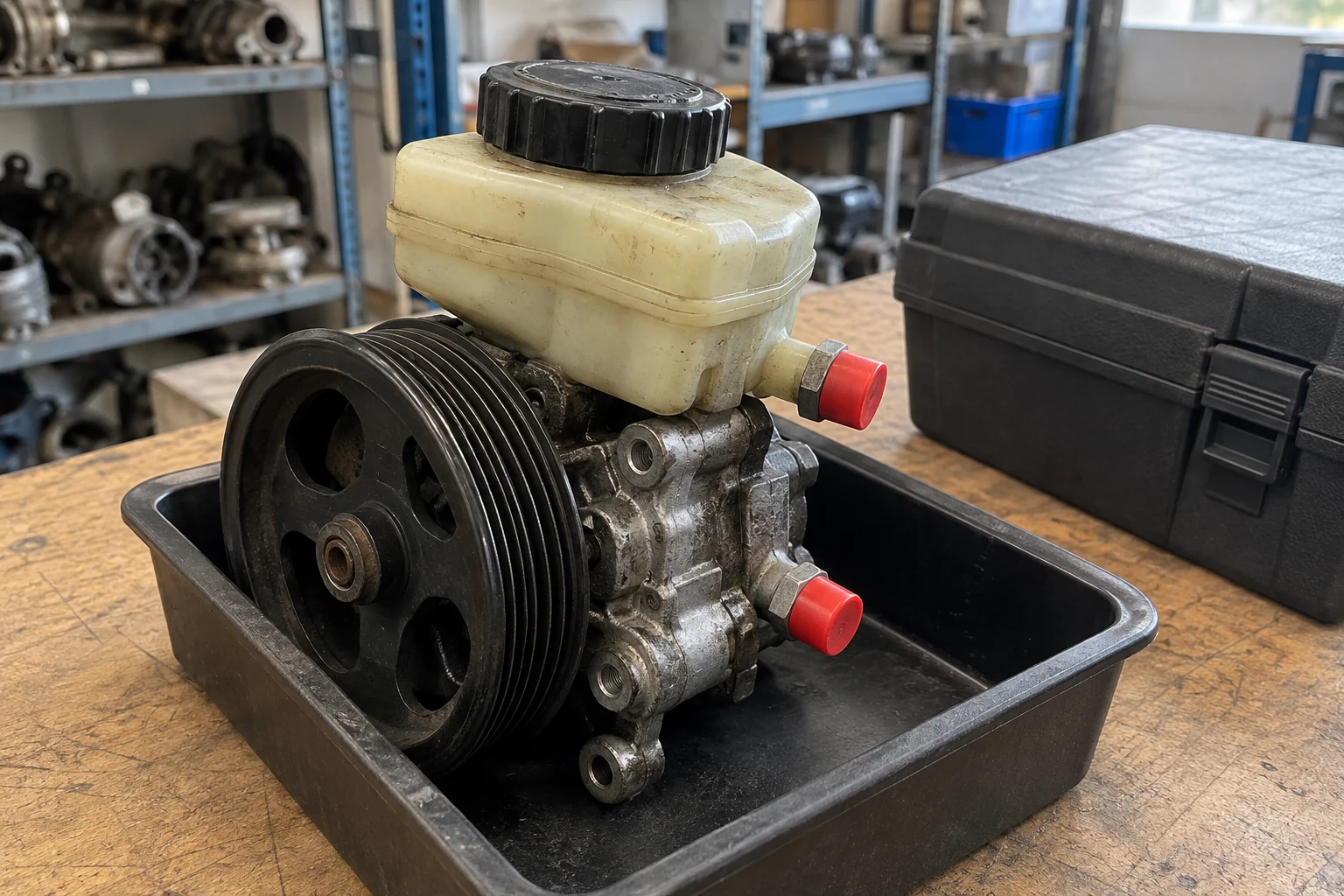
Ask what fluid the component contains or previously contained. If the supplier cannot identify it, record “unknown fluid” and ask what further information can be obtained. Avoid replacing uncertainty with a convenient assumption such as “ordinary oil.”
Keep bottled products separate from descriptions of fluid-containing assemblies. A bottle of a named lubricant, an unused assembly with factory-applied material and a used engine with an uncertain operating history should have separate order lines and supporting details.
Use a condition statement that exposes gaps
The following is a suggested information request for the supplier. It does not replace a transport classification, required declaration or professional preparation record.
Scroll sideways or use the arrow keys to see all columns.
| Question | Useful supplier response |
|---|---|
| What is the item? | Exact component, manufacturer and part number |
| What is its condition? | New, used, refurbished or damaged, with known history |
| Which fluid is involved? | Exact product name or substance identity where known |
| What is currently present? | Supplier's factual description of contents and known residue |
| Has professional preparation occurred? | Who performed it, when and available documentation |
| Are any problems known? | Reported leakage, damage or other relevant condition concerns |
| What evidence is available? | Actual-item photos, labels, manufacturer information and applicable documents |
| What remains unknown? | Specific unanswered questions, with a person assigned to clarify them |
Attribute statements to their source. “Supplier states no liquid remains; supporting preparation record not yet supplied” is clearer than changing the item description to “certified dry.” Do not invent a certificate or describe a supplier's informal message as one.
Understand what photographs can contribute
Images can show the visible condition of a casing, product label or package at the time of photography. They can help identify which component the supplier is discussing and reveal a visible concern that deserves further attention.
Their scope is limited. A photo of the exterior cannot establish the composition of an unidentified substance or all conditions inside the assembly. Ask for photographs that support identification without requesting unsafe opening, dismantling or handling.
If there is leakage or an unfamiliar damaged component, keep it out of routine shipment preparation and seek qualified advice. Do not ask untrained staff to open, vent, clean, drain or otherwise alter it to obtain a more convenient description.
Treat safety documents as evidence for review
For an identified fluid or chemical product, request the manufacturer's current safety data sheet where applicable. Check that the document matches the product named on the order. A sheet for a different formulation or a loosely related product leaves the identification question unresolved.
The FAA's dangerous-goods shipping guidance describes an SDS as a starting point and notes that changes to a product can affect a previous classification. It also explains that carriers may impose additional restrictions. This is US aviation guidance, not a universal permission for transport or an African import rule.
Ask a competent specialist or the relevant provider which documentation is needed for the actual component, condition and transport mode. Keep classification evidence and provider acceptance separate. A document can help establish what the goods are without proving that a particular service will carry them.
Ask the questions in the right order
Start with identification and condition, then request classification and acceptance review. If an assessor needs more information, return that specific question to the supplier. Do not send the item to a warehouse merely to find out whether it is acceptable after arrival.
A useful enquiry sequence is:
- Confirm the exact cargo and unresolved fluid or residue details.
- Ask who is competent to assess transport classification for the proposed mode.
- Establish whether the provider's rules allow the assessed cargo.
- Confirm destination import eligibility and any required evidence separately.
- Ask whether professional preparation is necessary and who can lawfully perform it.
- Obtain the applicable packaging, documentation and booking requirements from the responsible provider before dispatch.
Professional preparation, where appropriate, must result in an accurate description of the actual condition. It is not a way to bypass a restriction. Do not substitute a broader label, omit the component's history or rely on an unverified claim that treatment makes it ordinary cargo.
Keep other order lines identifiable
When a shipment includes both ordinary parts and items awaiting assessment, identify the uncertain lines clearly. Ask whether the rest of the order can proceed separately and whether that option changes packing or transport costs. Availability needs confirmation; a suggested split is not a promised service.
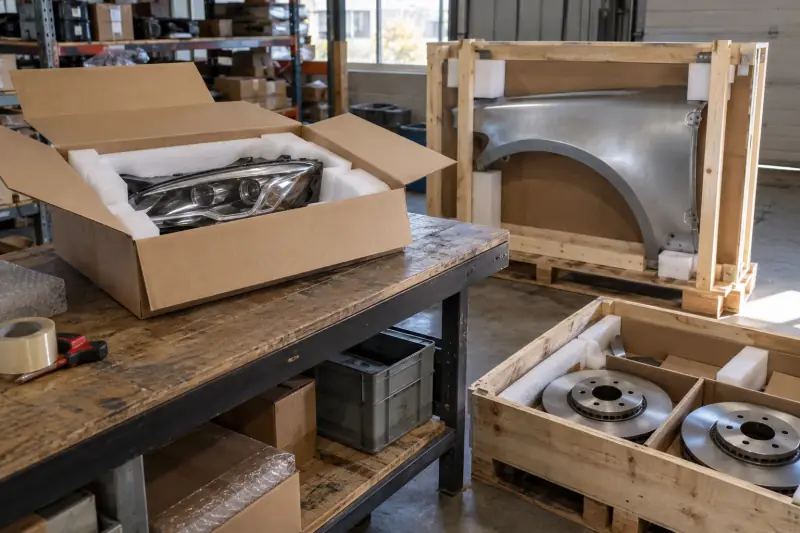
If the supplier substitutes another assembly, refresh its condition information. Approval based on one part and one factual description should not silently carry over to a different item. Keep the latest cargo list consistent with the information supplied for assessment and the eventual shipping documents.
For a useful record, save the supplier statement, source documents, assessment response, provider decision and any remaining conditions together. Mark the result as pending until the relevant party has actually confirmed it.
Frequently asked questions
Does “drained” mean a used engine is automatically non-dangerous?
No. It describes a claimed preparation step, not a complete classification result. Ask for the actual condition and relevant supporting information, then obtain qualified assessment.
Should I remove or clean the residue myself?
Do not improvise preparation to meet shipping restrictions. Ask a competent professional what is appropriate and which documents the responsible provider requires. This guide gives no DIY dangerous-goods preparation instructions.
Can an SDS guarantee acceptance?
No. It is supporting evidence where applicable. The exact product, condition, mode, route and provider restrictions still matter, and JTLGO's published hazardous-material prohibition must be respected.
What should I do if the supplier cannot identify the fluid?
Keep the uncertainty explicit and ask how it can be resolved through qualified assessment. Do not classify it yourself, conceal it in a generic description or dispatch it on an assumption.
Ask with a complete condition description
Contact JTLGO about the cargo details you need to clarify. Send the component identity, condition, supplier statement, available photos and relevant product documents. Ask what evidence is needed to establish whether the cargo falls within the applicable service restrictions before arranging shipment.
Prepare a specific inquiry
Describe the part, its new/used condition, batteries, airbags, liquids or residue, packing plan, carton count, packed dimensions and weight, and destination. Check prohibited-goods limits first. A packing or quote review does not mean restricted goods are accepted.