New, Used, or Refurbished Auto Parts: Questions to Ask Before Buying
Before choosing an auto part by price, ask the supplier to explain its condition in writing. Terms such as “new,” “used,” “refurbished,” “reconditioned,” and “remanufactured” do not provide a complete description of a particular unit or the work performed on it.
Published pending human review of service details and native-language copy. Confirm service terms with JTLGO before ordering.
On this page
- Quick answer
- Ask the supplier to define the condition
- Understand what a named programme actually covers
- Request evidence that answers a defined question
- Use a condition confirmation table
- Read the warranty as a practical process
- Check destination rules independently
- Frequently asked questions
- Describe the condition before requesting shipment
- Prepare a specific inquiry
Quick answer
Ask the supplier to describe the condition in writing: what the unit is, what work was done, what the warranty covers and how returns work. Labels like “refurbished” are not a full description. Request evidence for specific questions, and check destination import rules separately before you buy.
For this step, see Quality inspection scope in China.
Your purchase record should describe what the seller is supplying, what evidence is available, and which warranty or return conditions apply. Separately, the destination's rules determine how the item is treated for import. A supplier's marketing label does not decide its legal classification.
For buyers shipping to Africa, make these checks before payment and before sending goods to a warehouse. JTLGO's broad Africa DDP coverage, including the available South Africa DDP service, does not establish that every condition or type of auto part is eligible for every destination.
Ask the supplier to define the condition
Use the listing term as the first question rather than the final answer.
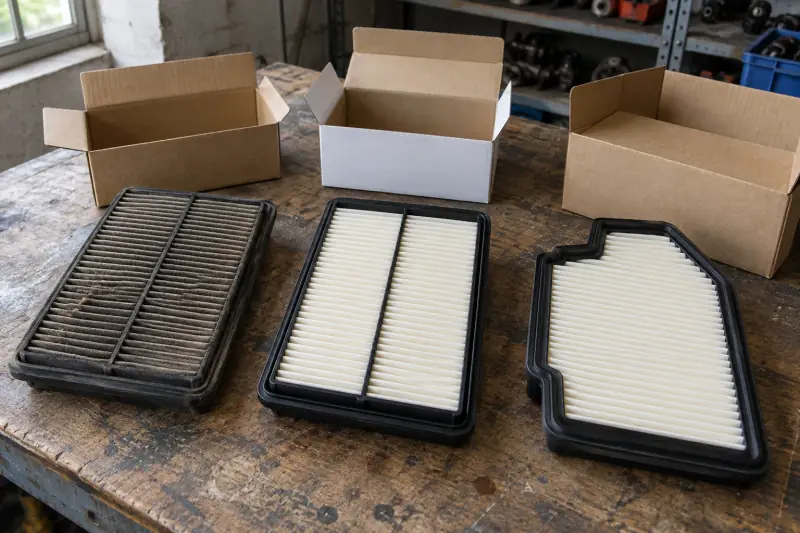
For an item described as new, ask whether it has been installed, returned, repaired, or stored for an extended period. Request information about the actual supplied packaging and any known damage. Do not infer that an unused item is free of condition questions simply because it is sold as new.
For used goods, ask what is known about prior use, removal circumstances, damage, repairs, and missing components. If service history or usage information is unavailable, record it as unknown. An unsupported mileage claim should not become a confirmed fact in your order list.
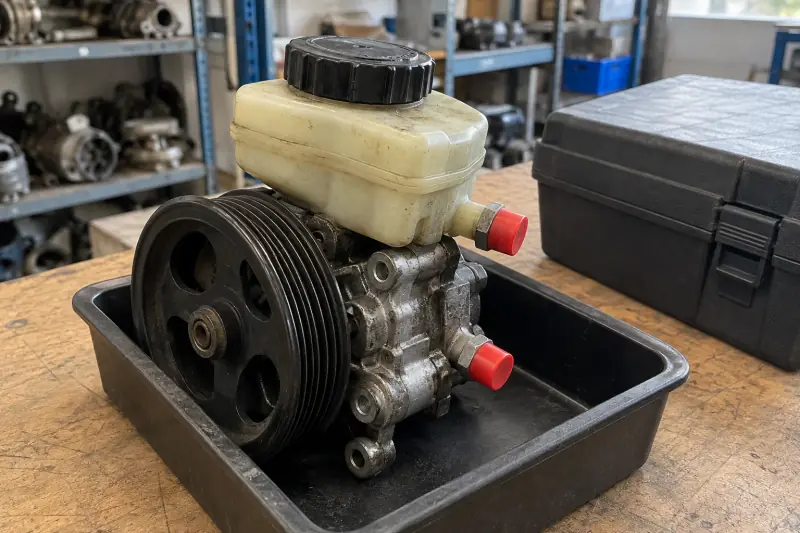
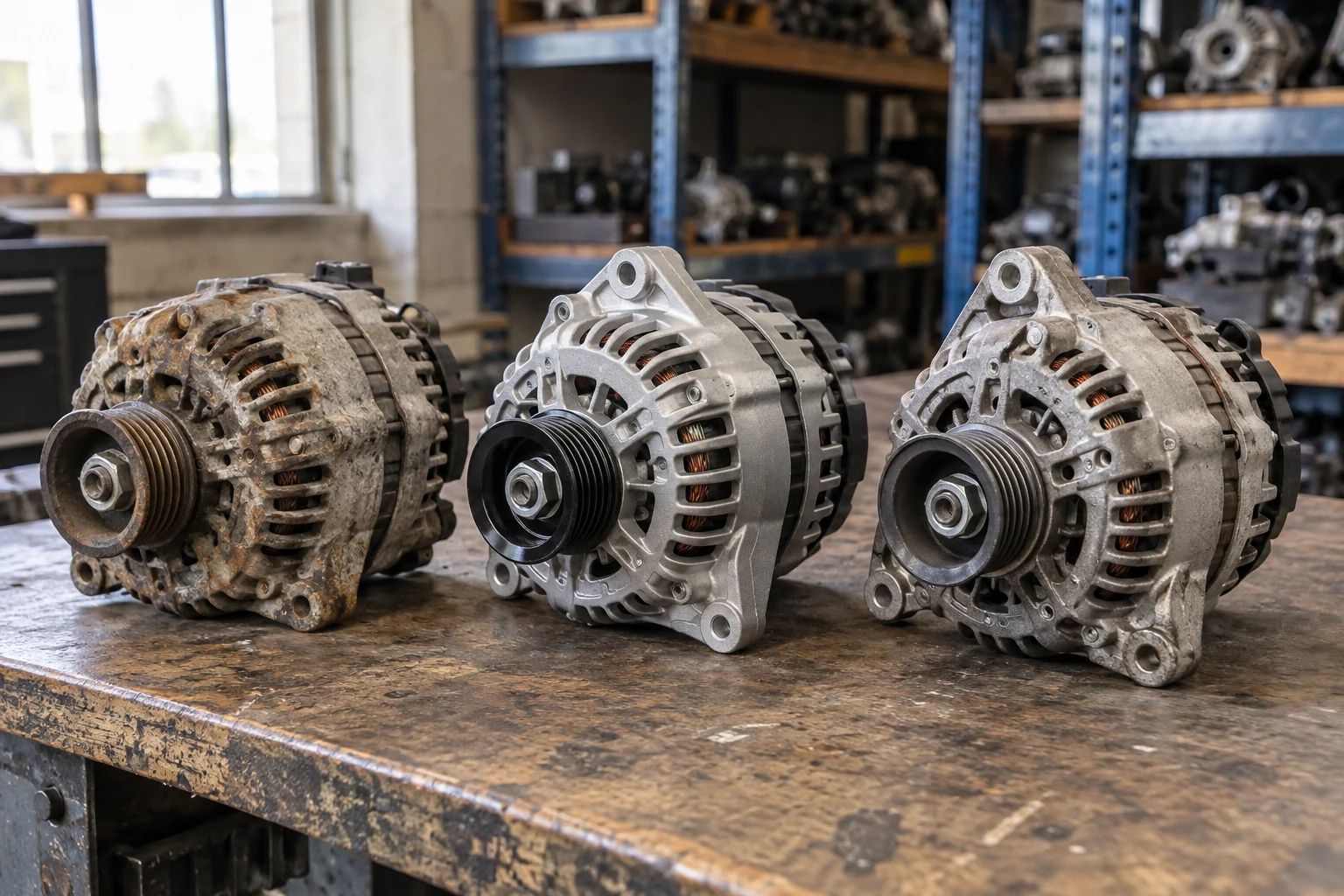
For refurbished or reconditioned goods, ask what work was performed, by whom, and which components were repaired or replaced. For a remanufactured item, request the manufacturer's or remanufacturer's process description and the evidence applicable to the offered product. Do not assume the terms describe identical processes across sellers.
Understand what a named programme actually covers
A manufacturer-backed remanufacturing programme can provide information beyond a generic condition label. Bosch, for example, describes certified series remanufacturing and specified component checks within its eXchange programme. Its programme also includes new parts alongside remanufactured products. Identify the exact offered item rather than inferring its condition from the programme name alone. Bosch eXchange programme
That example does not establish the quality, testing, warranty, or provenance of another supplier's product. If the seller refers to a recognised programme, ask for the product identifier and supporting documentation. Check the applicable offer and market terms rather than copying a manufacturer's general claims into your purchase approval.
Request evidence that answers a defined question
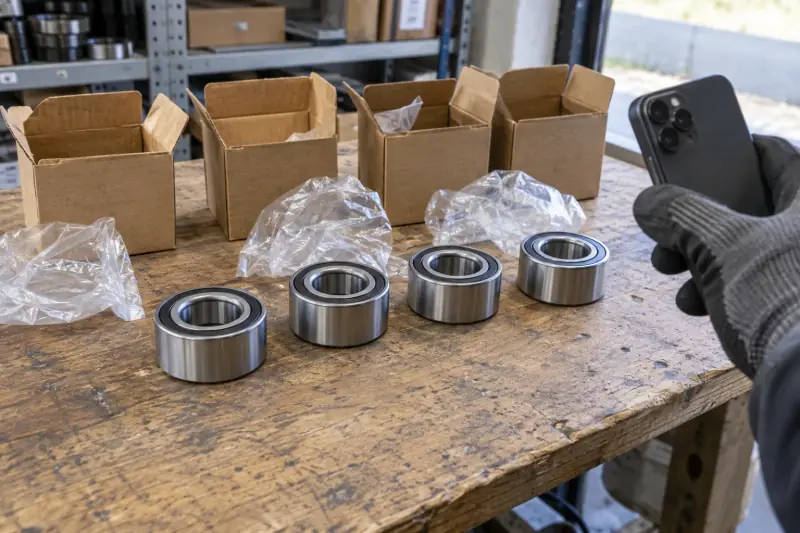
Ask for photographs of the actual offered unit where appropriate, including identifiers and relevant visible condition. Distinguish those from catalogue images. Ask about missing connectors, brackets, covers, or accessories that affect what you receive.
If a seller says the item has been tested, request a description of the test, the party that performed it, and any available record linked to the unit. “Tested” without a stated scope leaves the performance question unclear. A label photo or clean exterior cannot establish internal condition or future service life.
For safety-critical components, seek qualified technical advice on suitability and the evidence needed. Do not rely on a general warehouse photograph as approval to install an item. Any receiving inspection or specialist testing must be confirmed separately; this guide does not claim JTLGO provides every type of assessment.
Use a condition confirmation table
Keep the following with your quotation and order confirmation. It is a suggested buyer worksheet.
Scroll sideways or use the arrow keys to see all columns.
| Topic | Ask the supplier | Record before deciding |
|---|---|---|
| Condition term | What does the listing term mean for this unit? | Written description, including unknowns |
| Identity | What are the exact brand, number, and relevant serial details? | Offered identifier and actual-unit evidence |
| Previous use | What history is known and documented? | Supported history versus unverified statements |
| Repair or rebuilding | What work was performed and by whom? | Available scope and records |
| Testing | Which checks were completed and what do they establish? | Test scope, provider, and limitations |
| Supplied contents | What is included or missing? | Unit, kit, or assembly contents |
| Warranty and returns | What terms apply to this buyer and destination? | Conditions, deadlines, and cost responsibilities |
| Import and transport | How will the actual condition be assessed? | Required confirmation before shipment |
The table's value is in exposing unanswered questions. A blank test-history field is more useful than a guessed “passed” status that nobody can support.
Read the warranty as a practical process
Ask who provides the warranty, what it covers, when it starts, and what evidence is required if a problem occurs. Clarify notification deadlines, installation requirements, excluded situations, and whether the offer covers the intended buyer and destination.
Determine who pays return freight, inspection charges, replacement shipment, and any other quoted costs. Ask whether a return authorization is required before dispatching an item back. A replacement promise can still leave significant practical questions if the part has already crossed a border.
Where an exchange or core-return arrangement applies, ask whether a deposit is included, what must be returned, the acceptance conditions, and who pays transport. Do not assume an old component can be shipped back through the same route or without a separate eligibility review.
Check destination rules independently
Import requirements need a country-specific review using the actual goods description and condition. South Africa's government guidance states that controlled goods and used or second-hand goods require importer registration with SARS and an ITAC import permit. It also distinguishes new goods from used goods in its import-control explanation. This is a South Africa example, not an Africa-wide rule or a promise that a particular application will be approved. South African Government: import permits
Ask the importer or appropriate adviser how the specific refurbished or remanufactured item is treated. Do not re-label a used component as new to avoid controls. New status also does not establish exemption from every product-specific requirement.
Transport suitability is another check. Disclose batteries, fluids, residues, or other relevant features and obtain the service provider's assessment for the proposed route. Do not assume that a drained, repaired, or cleaned item has automatically become acceptable ordinary cargo.
Frequently asked questions
Is refurbished always better than used?
The label alone cannot establish that. Compare the actual work performed, available evidence, supplied condition, and terms for the specific items.
Does a clean exterior prove a part was rebuilt?
No. Ask for a written description of the work and available records. Appearance does not establish internal repairs or functional performance.
Can I import a remanufactured part as new?
Do not assume so. Describe the goods truthfully and ask the responsible importer or adviser to confirm the destination's treatment before purchase or dispatch.
Should I buy if the history is unavailable?
Record the uncertainty and consider the component's role, qualified advice, and seller's terms. Avoid treating missing evidence as a confirmed service history or test result.
Describe the condition before requesting shipment
Contact JTLGO with your auto parts condition details. Include the supplier's description, exact part reference, quantity, available records, cargo characteristics, and destination country and city. Ask what needs confirmation before the order or shipment can proceed.
Prepare a specific inquiry
Send supplier links, new/used/refurbished condition, quantities by SKU and the visible details to check before dispatch. Basic warehouse photos document appearance; they are not functional tests or technical certification. Agree any extra inspection scope separately.