Packing Fragile and Heavy Auto Parts Together
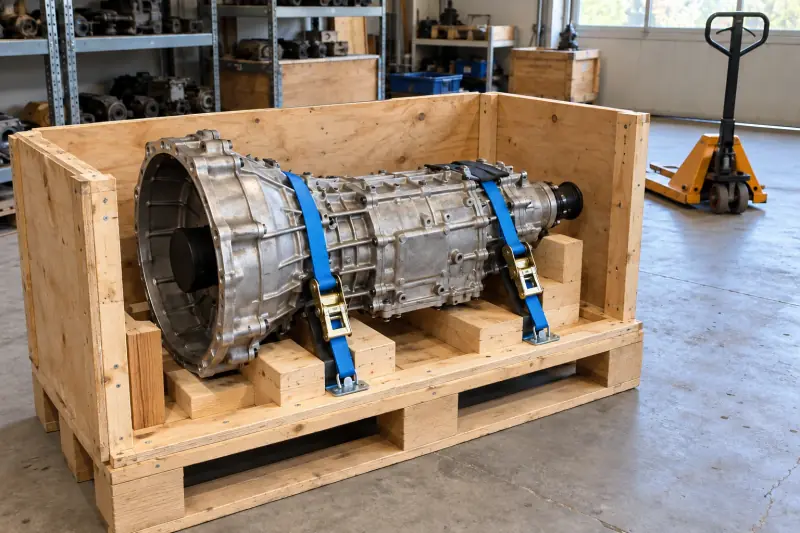
A mixed order might include lamps, body panels, brackets and a heavy assembly. Combining the order for transport does not automatically mean placing every item in one box. The packing decision should account for the protection each component needs, its handling requirements and the final measurements used for pricing.
Published pending human review of service details and native-language copy. Confirm service terms with JTLGO before ordering.
On this page
- Quick answer
- Give each item its own protection brief
- Distinguish one shipment from one package
- Use a packing decision table
- Decide what original packaging must remain
- Compare price after accounting for protection
- Include receiving and unpacking in the decision
- Approve the actual plan
- Frequently asked questions
- Ask for a packing option you can evaluate
- Prepare a specific inquiry
Quick answer
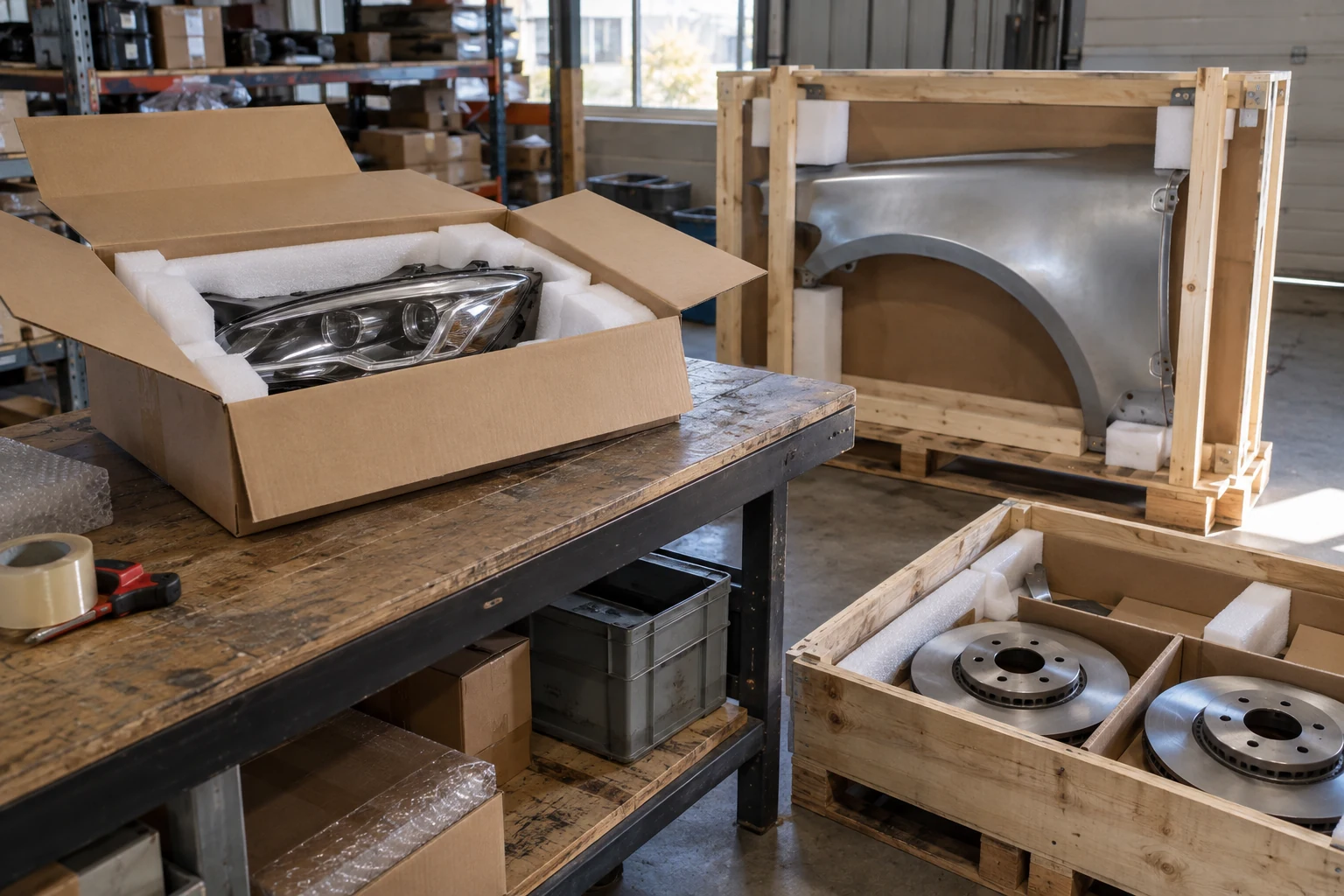
Combining parts in one shipment does not mean putting them in one box. Give each item its own protection plan, decide which original packaging stays, and use the final packed measurements for pricing. Compare quotes only after accounting for protection, handling and unpacking, and approve the actual packing plan before dispatch.
For this step, see China warehouse consolidation.
Start by telling the provider what must be protected and what packaging should be retained. Then ask which arrangements are actually available. Approve a defined option after reviewing its scope and cost, rather than giving an open instruction to “make it as small as possible.”
This guide offers a planning worksheet. It does not promise that JTLGO supplies every crate, repacking method, inspection or consolidation arrangement discussed below.
Give each item its own protection brief
Identify the component and the areas you want the packer to consider. For a lamp, your concerns might include its lens and mounting points. For a body panel, they might include its finished surface, edges and shape. For a heavy component, ask the qualified packer to assess support, restraint and handling requirements.
Use manufacturer packaging or handling information when available. Explain whether the item is new, used or already damaged, and provide actual photographs rather than only catalogue images. A packing proposal should not be mistaken for a statement about the product's existing condition.
The FedEx automotive packing guide gives different recommendations for different component types, including protecting vulnerable surfaces and parts. Those are carrier-specific examples. Ask the provider to confirm the method suitable for your actual cargo and transport service.
Distinguish one shipment from one package
Ask what “consolidation” means in the proposed quote. It may describe several packages moving under an agreed shipment arrangement, removal of unnecessary outer packaging or a particular repacking service. Do not assume that every usage means the same physical operation.
A mixed order may retain separate protected shipping units. Another proposal may combine selected small items while keeping heavier components separate. Whether either arrangement is suitable or available must be assessed by the people responsible for packing and carriage.
The IMO/ILO/UNECE CTU Code addresses cargo packing and securing throughout intermodal transport. It warns about inadequate securing and other poor packing practices. It is non-mandatory global guidance, not a guarantee that a specific combination of parts can safely share a package.
Use a packing decision table
Complete this suggested worksheet before authorizing changes. Leave unresolved points visible so the provider can explain the options.
Scroll sideways or use the arrow keys to see all columns.
| Decision | Your requirement | What to ask the provider |
|---|---|---|
| Vulnerable areas | Identify lenses, mounting points, surfaces or other concerns | How will the proposed arrangement address them? |
| Original packaging | Keep required boxes, labels and inserts | What would be removed, and why? |
| Heavy components | Provide packed weight and handling information | Does the proposed plan require separate shipping units? |
| Fragile components | Identify product-specific protection needs | What extra protection is proposed and available? |
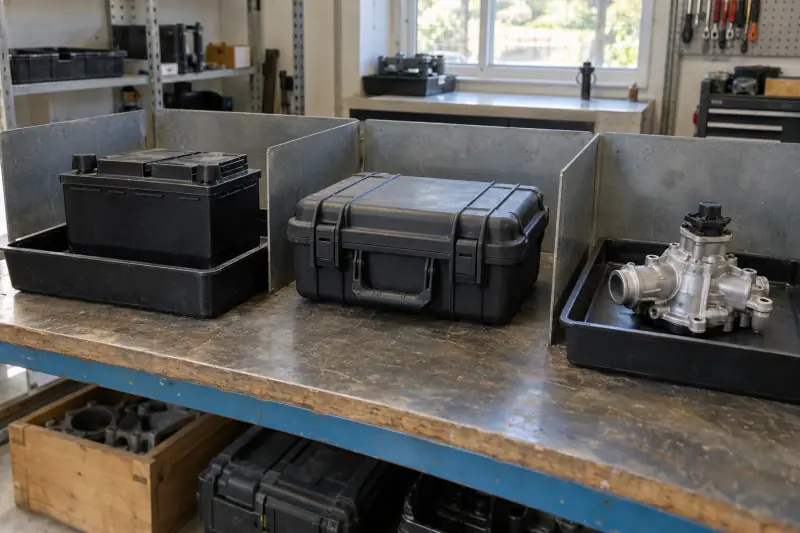
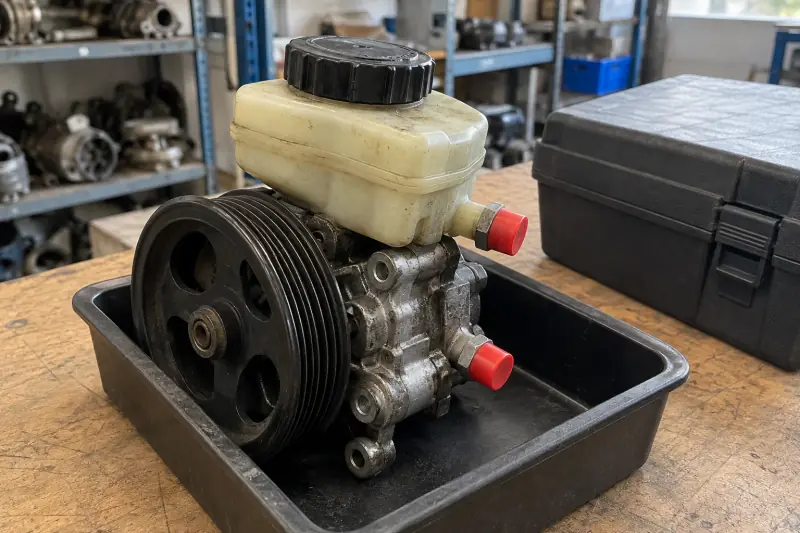
| Mixed contents | List fluids, batteries or other special characteristics | Which lines require separate acceptance review? |
| Final measurements | Request dimensions and gross weight per unit | When will measured figures replace estimates? |
| Extra work | Name the exact packing or checking tasks | What is included, separately priced or unavailable? |
Avoid describing all items simply as “fragile.” Specific product details help the packer understand the question. Equally, do not prescribe a detailed technical construction unless a qualified person has established that it is appropriate.
Decide what original packaging must remain
Tell the provider if you need manufacturer labels, identification records, accessories or original packaging preserved. Ask the supplier about any relevant return conditions before authorizing removal. Do not assume that every branded retail box is adequate for the full shipping route or that removing it has no consequences.
If repacking is proposed, request a clear description of what will be discarded and retained. Where photos or a contents check would help, ask whether they can be provided, when they are taken and whether they add a charge. A photograph of the completed outer package does not show every internal protection detail.
Confirm the limits of any agreed check. Counting visible packages, confirming labelled contents and evaluating functional condition are different activities. Packaging approval should not silently become acceptance of an unverified part number or unresolved product issue.
Compare price after accounting for protection
Ask for the expected package count, packed dimensions and gross weight under each available option. If these are estimates, identify when final measurements will be supplied. Then request the applicable chargeable basis and any packing or handling costs.
A more compact arrangement does not automatically produce a lower total. Added materials, labour, special handling or a different shipment configuration may change the comparison. Avoid assuming a saving until the provider quotes the same order and destination under both options.
If a crate or pallet is proposed, confirm its cost and applicable material requirements. ISPM 15 addresses wood packaging used in international trade and distinguishes exempt materials. Ask the provider to verify the proposed packaging for the destination instead of treating any wooden enclosure as automatically acceptable.
Include receiving and unpacking in the decision
Ask whether the receiving site can handle the proposed shipping units. A package that is manageable in a warehouse may need equipment or additional arrangements at a small shop. Give the delivery provider accurate access and unloading information before approving a heavy combined unit.
Confirm who will arrange unloading and any movement beyond the agreed delivery point. A DDP description alone does not promise unloading equipment or indoor positioning; the ICC Academy's DDP explanation describes delivery with goods ready for unloading.
Also ask what identification will remain accessible when the shipment arrives. A package-to-order-line list can help the receiver locate items and record any visible discrepancy. Request it as a proposed aid rather than assuming it is part of every service.
Approve the actual plan
Before authorizing packing, check that:
- The plan refers to the current order and quantities.
- Protection needs and retained packaging are recorded.
- Special-cargo questions have been addressed separately.
- Available work, charges and evidence are clear.
- Final measurements and any quote revision have an agreed process.
- The receiving site can accommodate the proposed packages.
If the plan changes materially, ask for the updated description and cost before deciding. No packaging method should be described as a guarantee of zero damage.
Frequently asked questions
Is one large box always cheaper than several packages?
No. Compare the actual quoted totals using the same goods and destination. Protection, materials, measurements and handling can change the result.
Can lamps share a shipment with heavy parts?
Possibly, but the packing and carrier arrangements need assessment. Sharing a shipment does not necessarily mean sharing an outer package. Disclose all cargo characteristics before requesting a plan.
Should I remove original boxes to save space?
Ask what protection and identification would be lost, and whether supplier return conditions matter. Approve removal only after considering the available replacement packaging and revised cost.
Does a fragile label guarantee careful handling or compensation?
No guarantee follows from the label. Confirm suitable packaging, the actual service terms and any optional insurance separately. Liability and claims depend on the applicable agreement and circumstances.
JTLGO’s current optional cargo insurance is Loss Only and does not cover damage. Confirm the applicable cover, exclusions and claim process before dispatch. See the cargo insurance and claims policy.
Ask for a packing option you can evaluate
Contact JTLGO about your mixed auto-parts shipment. Share the item list, protection priorities, existing packaging photos and destination. Ask which packing options are available, what each includes and how final measurements will affect the quote before approving changes.
Prepare a specific inquiry
Describe the part, its new/used condition, batteries, airbags, liquids or residue, packing plan, carton count, packed dimensions and weight, and destination. Check prohibited-goods limits first. A packing or quote review does not mean restricted goods are accepted.