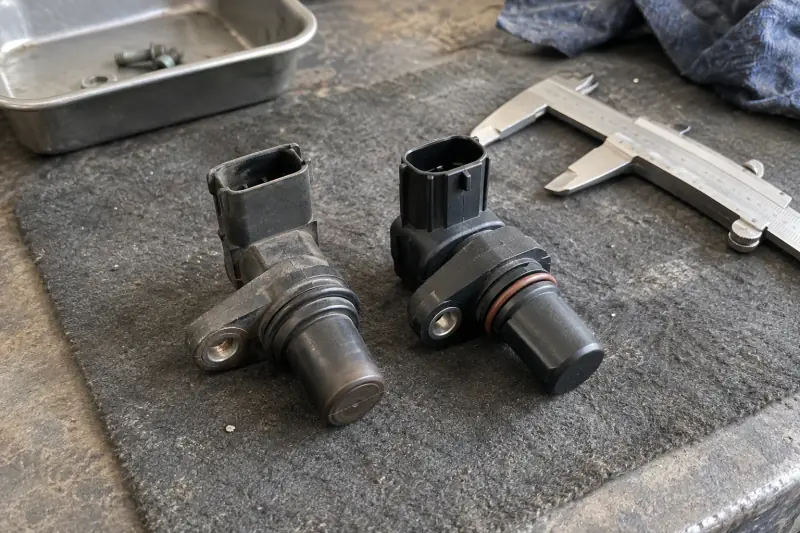
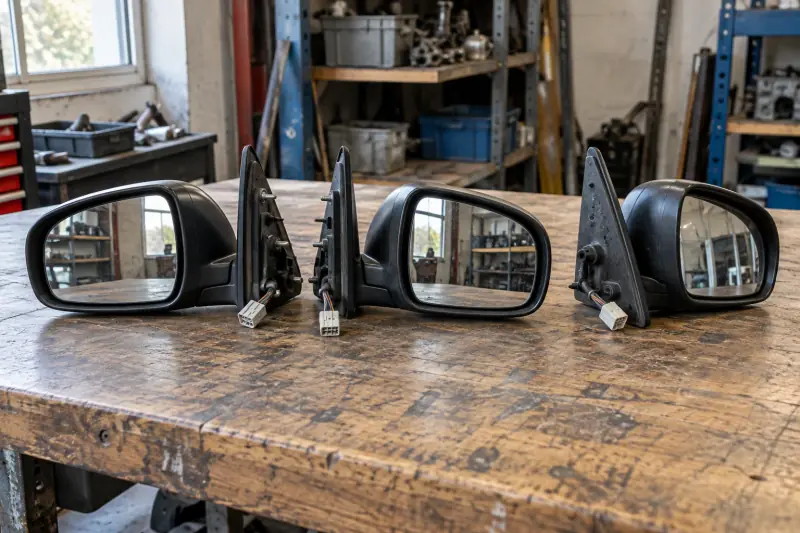
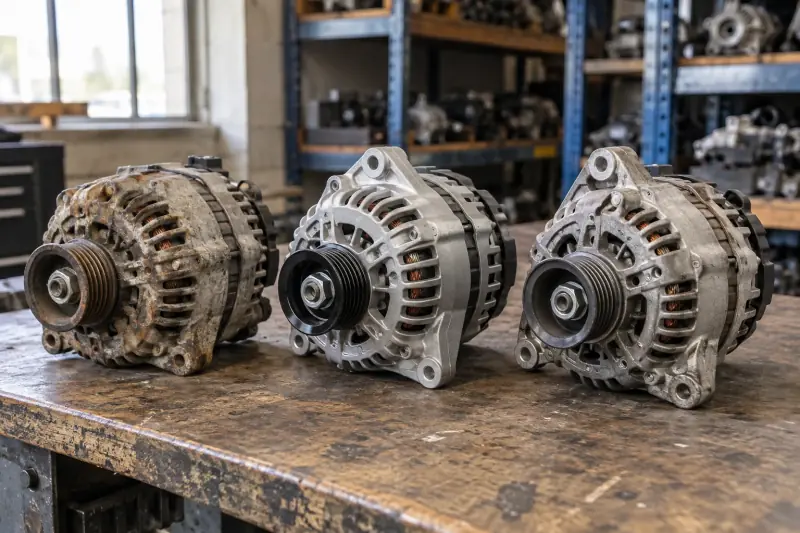
Original, Updated, or Alternative Part Numbers: What Should You Confirm?
When a supplier replies that your requested part number has changed, ask for the proposed number and the reason in writing. The explanation may be straightforward, but the purchasing decision should rest on identifiable information rather than a broad assurance that the replacement is “the same.”
Published pending human review of service details and native-language copy. Confirm service terms with JTLGO before ordering.
On this page
- Quick answer
- Preserve the starting reference
- Ask what kind of replacement is being proposed
- Request an explanation of differences
- Keep a replacement comparison record
- Separate the price decision from the technical decision
- Make substitution approval explicit
- Frequently asked questions
- Make the proposed replacement clear
- Prepare a specific inquiry
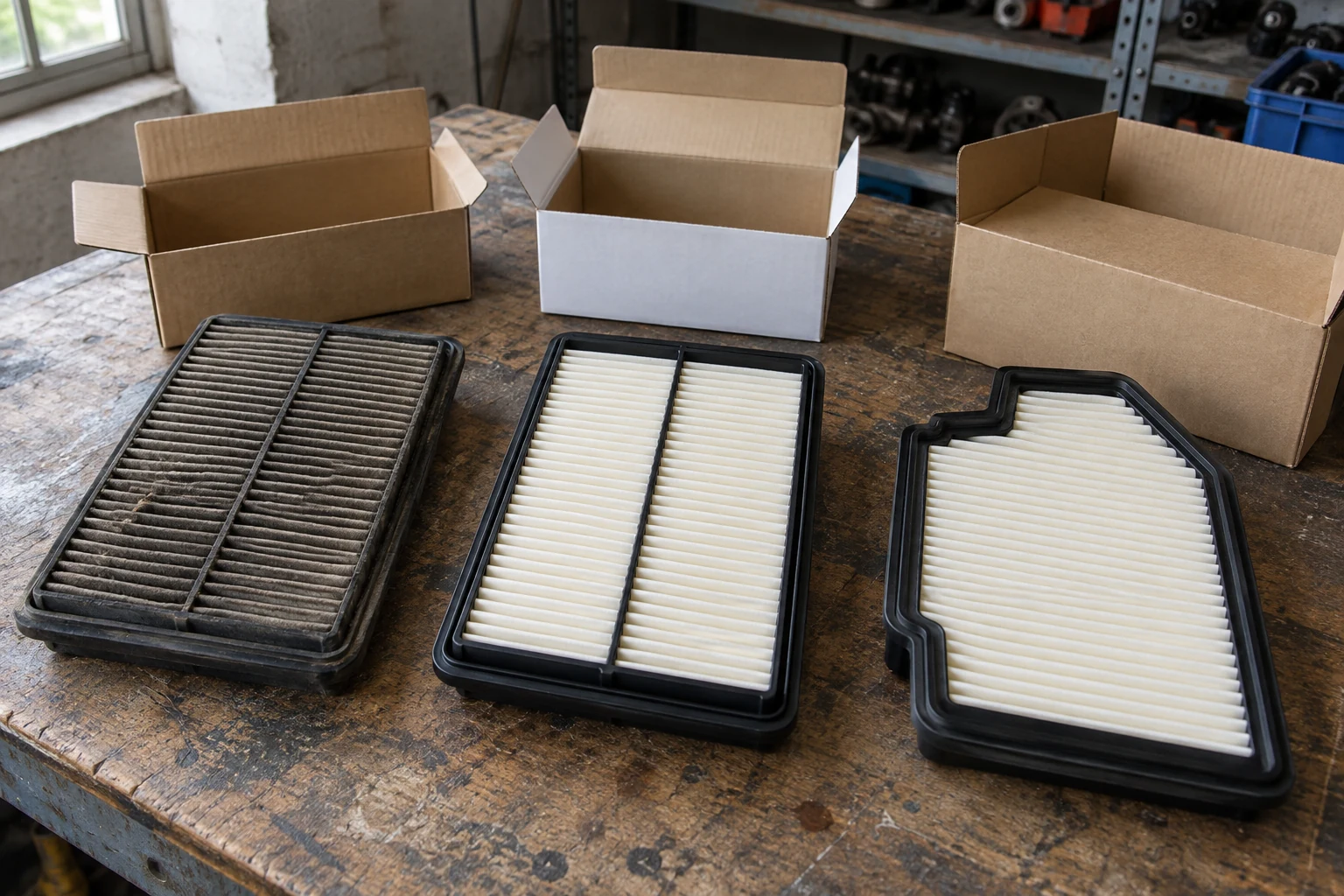
Quick answer
Ask for the proposed number and the reason in writing, and confirm whether it is an updated, supplier or alternative-brand number. Compare application, condition and supplied contents with your original reference, and approve the substitution explicitly before paying. A supplier's statement that it is “the same” is not enough on its own.
For this step, see Auto parts sourcing.
An updated manufacturer number, another brand's catalogue cross-reference, and a seller's suggested substitute are different kinds of evidence. Keep those distinctions visible while checking the application, supplied contents, condition, and commercial terms.
For an international order, this record also gives the buyer, supplier, and any agreed receiving service a common reference. It helps them compare what was requested with what is offered and later received, without expecting a warehouse label photograph to prove technical equivalence.
Preserve the starting reference
Record the number you originally requested exactly as supplied, including letters and suffixes. State where it came from: a component on the vehicle, packaging, an earlier purchase, or a manufacturer's catalogue. Attach a readable image or reference where available.
Do not describe every number as an OEM number. A seller's stock code, a manufacturer identifier, and a marking on a housing may serve different purposes. If the identifier's meaning is uncertain, label the source and ask the supplier to explain it.
Add the vehicle and application details already known. A number discussed without its application can leave the supplier answering a narrower question than you intended. Include the required position and whether you need an individual component or an assembly.
Ask what kind of replacement is being proposed
Have the supplier describe the relationship in plain language:
- Manufacturer update: Which manufacturer's record links the old and proposed numbers, and what conditions apply?
- Cross-brand alternative: Which brand and catalogue entry support the proposed application?
- Supplier recommendation: What technical information supports the suggestion if no manufacturer reference is supplied?
- Different package or assembly: Have the included components or sales unit changed?
- Different condition: Is the proposed item new, used, refurbished, or supplied through an exchange programme?
These are questions to investigate, not automatic conclusions about any individual part. The word “replacement” alone does not establish which relationship applies.
Bosch describes its Part Finder as supporting OE cross-references and identification of replacement and latest active part numbers. That is useful evidence that structured references exist. Request the relevant result and its application information instead of treating the availability of a lookup tool as proof of your proposed match. Bosch Part Finder
Request an explanation of differences
Ask the supplier to identify relevant changes in specification, connections, mounting, included accessories, or installation requirements. Do not assume a difference is harmless or disqualifying without an appropriate technical explanation.
If the proposal depends on extra components, software work, or a particular installation procedure, ask what is required and who can verify it. Obtain advice from a qualified installer where necessary before approving the purchase. Avoid asking a freight provider to resolve a workshop-level technical question merely because it handles the shipment.
Be equally clear when the supplier says there are no relevant differences. Ask that the statement refer to your vehicle details and the exact offered item, rather than a broad model range in a sales listing.
Keep a replacement comparison record
Use one row for each proposed alternative. The table is a buyer's decision aid and does not represent a JTLGO certification or testing service.
Scroll sideways or use the arrow keys to see all columns.
| Detail | Original request | Supplier proposal | Evidence or open question |
|---|---|---|---|
| Brand and full number | Record original reference | Record exact offered identifier | Manufacturer update, cross-reference, or recommendation? |
| Vehicle and position | State required application | State claimed application | Relevant limitations? |
| Specification | Record known requirements | List relevant offered details | Differences explained? |
| Supplied contents | Unit, pair, kit, or assembly | Included components | Extra items required? |
| Condition | Requested condition | Supplier's written definition | Supporting history or records? |
| Commercial terms | Original price and scope | Revised price and scope | Warranty, returns, or core deposit? |
| Confirmation | Buyer reference/version | Supplier contact and reply | Unanswered points and next action |
Save the supporting reply with the quotation. If a catalogue image is provided, retain enough context to identify the brand, application, and any notes. A cropped number without the associated conditions may leave the main question unresolved.
Separate the price decision from the technical decision
A lower price can be worth evaluating after the offered item is understood. Compare the same quantity, supplied contents, condition, and commercial obligations. A cheaper unit that requires separately purchased components or a core return creates a different purchase arrangement.
Ask whether the seller's warranty applies to the buyer and destination involved. Confirm the return process, notification requirements, excluded situations, and who pays each transport leg. Do not assume that a manufacturer's programme in one market determines the terms of an unrelated seller's offer.
For used or refurbished alternatives, also check destination eligibility and transport suitability before purchase. A technically suitable alternative can still require different import or shipping assessment because its condition or cargo characteristics differ.
Make substitution approval explicit
Once the necessary answers are available, record the exact alternative accepted, quantity, condition, price, and order version. If you have not approved a replacement, mark it “proposed, awaiting buyer decision.” Avoid leaving a discussion that could be read as permission to supply any similar item.
If another change is proposed after payment, ask for a revised comparison before deciding. Where goods have already reached a warehouse, ask whether further processing can be paused and what costs or limitations apply. Do not assume a hold is automatic or free.
Before dispatch, any agreed label or quantity check should refer to the accepted order version. Such a check can compare visible identifiers; it cannot establish authenticity, internal condition, or functional performance by itself.
Frequently asked questions
Does a newer number always mean a better part?
The number change alone does not explain the technical or commercial difference. Ask for the manufacturer's replacement relationship and any conditions relevant to the application.
Is a cross-reference the same as a fitment guarantee?
No. Ask which application the reference covers and whether limitations or additional requirements apply. Obtain the supplier's written response for your specific request.
Should I accept a different brand if the seller says it is equivalent?
First request the exact brand, number, specifications, supporting application evidence, and terms. The purchase decision should follow those answers rather than the word “equivalent.”
What if the old number is unavailable?
Keep it as the starting reference and request documented alternatives. If key compatibility questions remain unresolved, obtain further advice before committing to an international purchase.
Make the proposed replacement clear
Contact JTLGO with your original and proposed part numbers. Include the supplier's explanation, vehicle details, quantity, condition, and destination country and city. Identify the questions still open so the inquiry can focus on the information needed before you decide.
Prepare a specific inquiry
Prepare the OEM or part number, vehicle model and year, clear photographs, quantity, and the supplier’s proposed match. Ask the supplier or a qualified workshop to confirm fitment; photos alone are not a fitment guarantee.