Is a Photo Enough to Order the Right Auto Part?
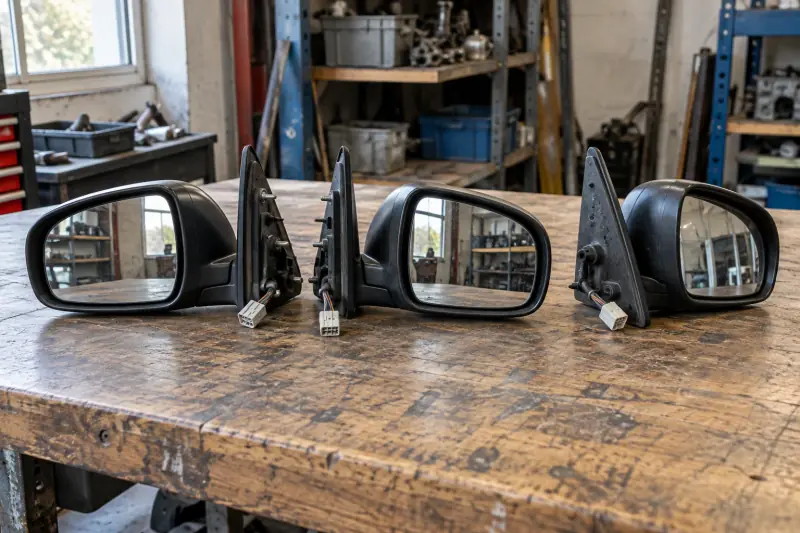
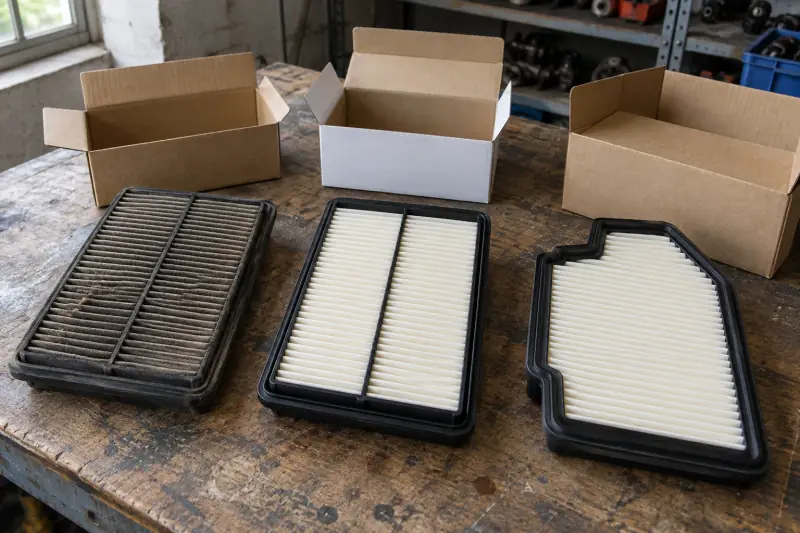
A photograph is a useful starting point for an auto parts inquiry. It can show the shape, mounting points, connector, or readable label of the component you want to replace. It cannot, by itself, establish that a proposed replacement is correct for your vehicle.
Published pending human review of service details and native-language copy. Confirm service terms with JTLGO before ordering.
On this page
- Quick answer
- Start with the numbers already available
- Add the vehicle information that explains the application
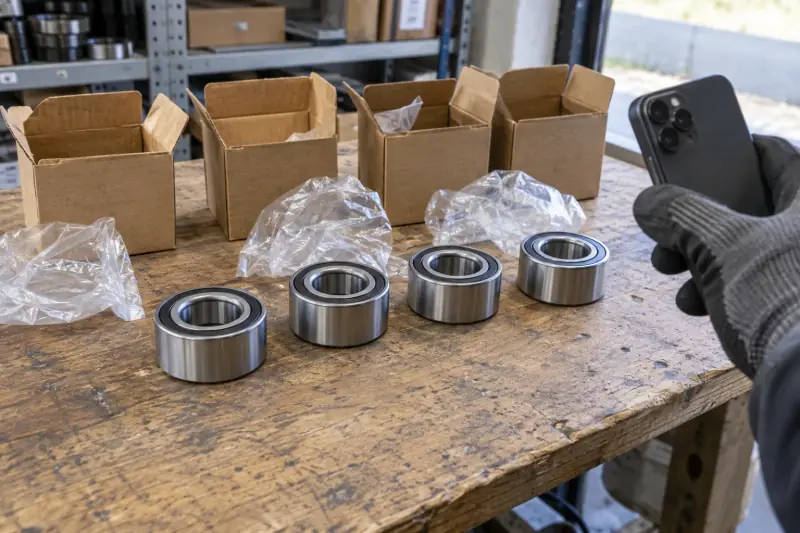
- Take photographs that answer specific questions
- Keep requested and offered parts separate
- Decide what must be resolved before paying
- Frequently asked questions
- Turn your photos into a clear inquiry
- Prepare a specific inquiry
Quick answer
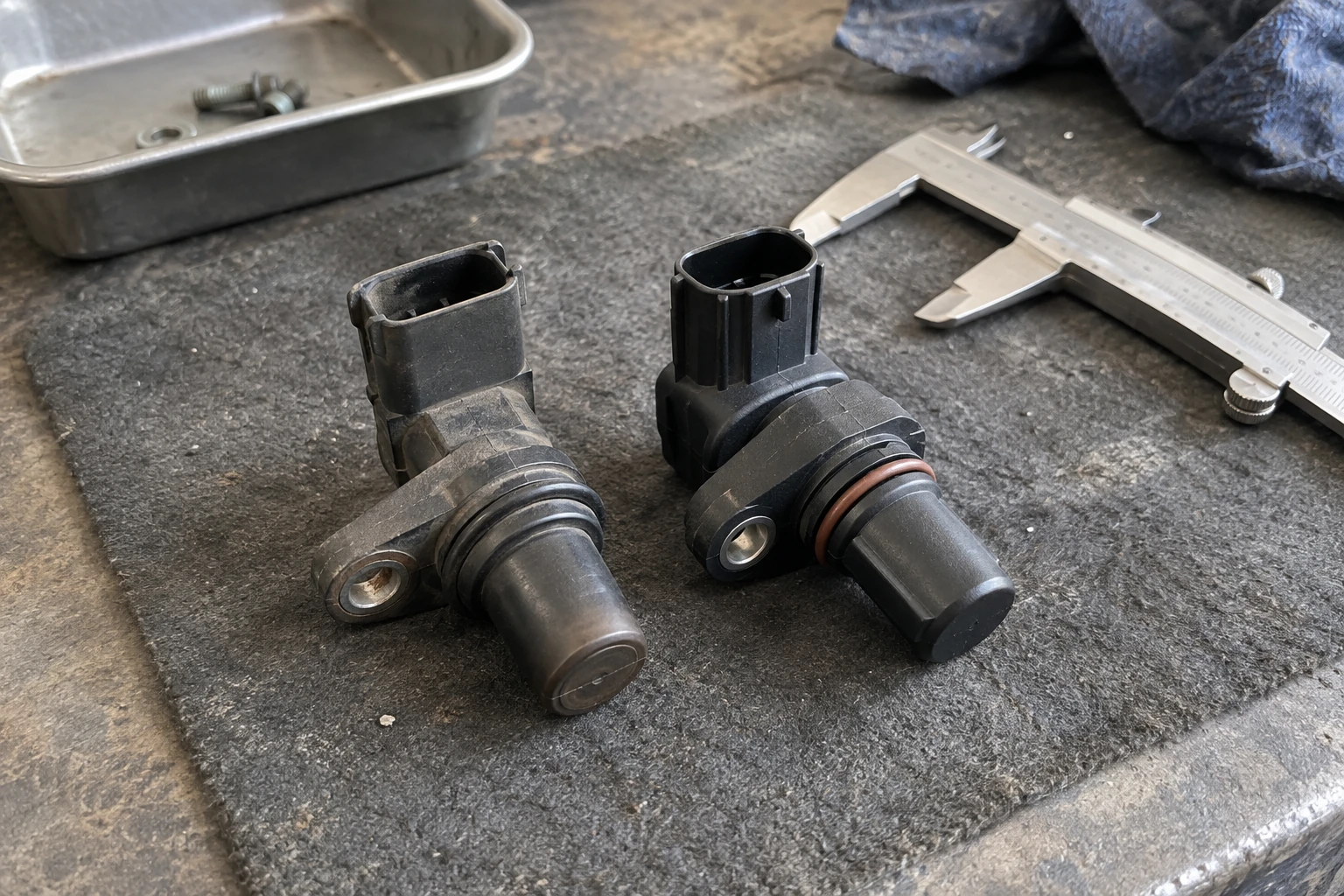
No. A photo shows shape, connectors, mounting points and any readable label, but it cannot prove that a replacement fits your vehicle. Combine it with the part number, vehicle details and the supplier's written confirmation of the exact item, then send JTLGO the full set for review before you pay.
For this step, see Auto parts sourcing.
The practical goal is to build an identification record that a supplier can confirm. That record should separate what you know, what the seller proposes, and what remains uncertain. This matters before paying for the part and again before authorizing international shipment.
For buyers sourcing parts for Africa, resolving an identification question before dispatch is preferable to discovering it during installation. JTLGO's auto parts expertise and broad Africa DDP coverage can support an informed inquiry, but fitment must still be assessed for the specific part and vehicle.
Start with the numbers already available
Look for readable identifiers on the existing part, its original packaging, a previous invoice, or reliable service documentation. Copy the entire identifier, preserving letters, punctuation, and suffixes. Include a close-up photograph so the supplier can check your transcription.
Label the source of each number. “Number on existing part,” “number printed on carton,” and “replacement suggested by seller” are different statements. If two numbers differ, do not silently choose one or assume the shorter version is equivalent.
Manufacturer catalogues illustrate why identification goes beyond appearance. Bosch's parts search accepts OE numbers, Bosch part numbers, short codes, and competitor part numbers; its Part Finder also supports cross-references and replacement-number identification. These are structured lookup routes, not a guarantee that any visually similar component is interchangeable. Bosch parts search and Bosch Part Finder
If the regional Bosch catalogue does not open, use the Bosch Part Finder reference and check the regional catalogue again before relying on a specific application match.
Add the vehicle information that explains the application
Prepare the vehicle make, model, year, engine or version, and the part's installation position. Add other known distinctions that may be relevant, such as transmission type, original sales market, or left-hand/right-hand-drive configuration. Do not guess an engine code from appearance.
Be precise about location. “Left front lamp” is more useful than “front light,” but ask the supplier to confirm the convention used for left and right. Avoid “driver's side” without explaining the steering configuration.
If the vehicle has been modified or the existing assembly replaced previously, mention that. The original vehicle description and the component now fitted may need separate investigation. Ask a qualified workshop or the supplier which additional information is necessary.
A VIN may help a qualified party investigate an application when other details are insufficient. Provide it only when needed, privately to the party performing that check. Do not put a full VIN, registration document, or number plate into a public comment or general product-review image.
Take photographs that answer specific questions
Instead of sending many similar pictures, make each image useful:
- Overall view: show which component is being discussed.
- Readable label: focus on the complete identifier and relevant markings.
- Connection view: show the connector face and visible connection arrangement without altering the component.
- Mounting view: show attachment points and orientation.
- Relevant detail: show the feature the supplier specifically needs to compare.
Use good lighting and keep the original images. A measurement photo can provide context, but ask how and where the supplier wants a dimension measured before relying on it. Do not dismantle safety-critical assemblies to obtain a better picture.
Keep requested and offered parts separate
Use this suggested confirmation worksheet for your own order. It is a discussion aid, not a JTLGO certification process.
Scroll sideways or use the arrow keys to see all columns.
| Detail | What I need or know | What the supplier offers | Still to confirm |
|---|---|---|---|
| Existing part identifier | |||
| Offered part identifier | |||
| Vehicle and version | |||
| Installation position | |||
| Included components | |||
| Condition and relevant specifications | |||
| Basis for the proposed match |
Ask for the offered part number in the written quotation or order confirmation. If a supplier proposes a replacement or alternative number, ask for the applicable catalogue reference or written explanation of compatibility and any limitations.
“Looks the same” leaves the central question unresolved. A useful reply connects the offered identifier to your stated application and explains any conditions that must be checked.
Decide what must be resolved before paying
A sensible decision checklist is:
- The exact offered part and quantity are recorded.
- Any alternative part number has an explanation.
- Position, version, and included accessories are clear.
- The supplier has answered the specific fitment question.
- You understand the seller's applicable return and warranty conditions.
- Shipping suitability has been considered separately from fitment.
If an important identification question remains unanswered, ask for clarification before purchasing. If you choose to proceed despite uncertainty, do so knowingly rather than treating silence as confirmation.
After arrival at a warehouse, a readable label photo may help compare the received identifier against the confirmed order. A basic visual check does not establish functional performance, authenticity, or vehicle fitment. Those require their own evidence and, where appropriate, qualified assessment.
Frequently asked questions
What if the old part has no readable number?
Send clear photographs and the vehicle details you know. Ask the supplier what additional evidence would allow identification. Do not invent a number to complete an inquiry.
Does a matching part number settle every question?
It is useful evidence, but confirm the relevant version, application, condition, and supplied configuration. A label alone does not establish that the item functions correctly.
Can a warehouse confirm that the part will fit?
Ask exactly what checks are available. Comparing a visible label or connector with your instructions is different from application research, installation, or functional testing.
Should I send photos from the seller's listing?
Yes, as reference images, clearly labelled as such. Also share photos of your existing component when available; do not present listing images as photos of the actual goods received.
Turn your photos into a clear inquiry
Contact JTLGO with your auto parts identification details. Include known part numbers, the product link, vehicle information, and useful photographs. State what needs confirmation, then add the destination country and city so the sourcing and shipping questions can be considered together.
Prepare a specific inquiry
Prepare the OEM or part number, vehicle model and year, clear photographs, quantity, and the supplier’s proposed match. Ask the supplier or a qualified workshop to confirm fitment; photos alone are not a fitment guarantee.